Debunking Myths vs Facts: Weight Loss Injections Explained
Find out the truth behind weight loss injections and how they work to help you make informed decisions about your weight loss journey.
Last updated Feb 27, 2026

 9 min read

Weight loss injections, such as Mounjaro (tirzepatide) and Wegovy (semaglutide), have gained significant popularity in recent years, offering a promising solution for long-term weight management. However, as their use increases, so does the spread of myths and misconceptions. These medications are not “magic” but rather powerful prescription-only tools designed to support healthy lifestyle changes, not replace them.
In this blog, we will debunk common myths, provide evidence-based facts, and help you gain a clear understanding of how these treatments work, who they’re suitable for, and what to expect during your weight loss journey. Let’s separate the hype from the evidence and guide you in making an informed decision about weight loss injections.
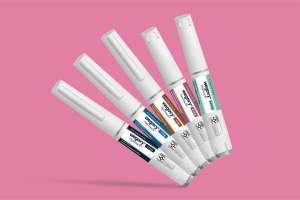
Mounjaro
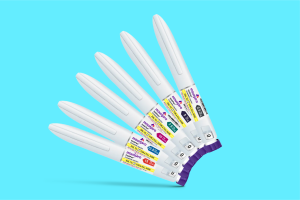
Wegovy
Key Insights on Myths and Facts About Injections
- Weight loss injections like Mounjaro, Wegovy and Saxenda work by regulating appetite and slowing gastric emptying.
- These injections work best when paired with a healthy diet and regular exercise.
- Common side effects are generally mild and temporary. Dose adjustments can help manage them.
- The right weight loss injection depends on your medical history, goals, and any underlying health conditions.
What Are Weight Loss Injections and How Do They Work?
Weight loss injections like Mounjaro, Wegovy and Saxenda target the biological mechanisms that control hunger and satiety, helping to manage food intake more effectively.
The Role of GLP-1 and GIP Hormones
Weight loss injections, like Mounjaro, Wegovy and Saxenda, primarily work through the action of hormones called GLP-1 (glucagon-like peptide-1) and GIP (gastric inhibitory polypeptide). These hormones help regulate appetite by:
- Slowing gastric emptying, which makes you feel fuller for longer.
- Regulating blood sugar levels, preventing insulin spikes and crashes that trigger hunger.
- Enhancing satiety signals so you feel full sooner and have reduced cravings.
Who They Are Clinically Designed For
Weight loss injections are clinically prescribed for individuals with:
- A BMI of 30 or higher, or a BMI of 27 with weight-related health conditions like hypertension or diabetes.
- People who have struggled to lose weight through diet and exercise alone.
- Prescription-only in the UK, requiring an initial consultation with a clinician to ensure suitability and safety.
Achieve Sustainable Weight Loss
Start Your Free Consultation Now
 Clinically Proven Treatments
Balanced Nutrition Plan
Expert Professional Guidance
Clinically Proven Treatments
Balanced Nutrition Plan
Expert Professional Guidance 
Common Myths About Weight Loss Injections
These common myths can lead to confusion, so let’s clarify the facts and help you make an informed decision about weight loss injections.
Myth 1: You Don’t Need Diet or Exercise
Fact: Weight loss injections like Mounjaro, Wegovy and Saxenda are designed to support, not replace, lifestyle changes. Appetite suppression makes it easier to stick to a balanced, healthy diet and exercise routine. Without these changes, weight loss may not be sustainable.
Myth 2: All Weight Loss Injections Are the Same
Fact: While all these injections help with appetite control, their mechanisms differ. Wegovy and Ozempic (semaglutide) focus on GLP-1 receptors, which help regulate appetite and slow gastric emptying. Saxenda (liraglutide), also a GLP-1 receptor agonist, works similarly to Wegovy but with a slightly different dosing schedule and a lower potency. Mounjaro (tirzepatide) is a dual-action medication, targeting both GLP-1 and GIP receptors, which provides enhanced benefits in appetite control and insulin regulation, offering additional support for metabolic health.
Myth 3: The Side Effects Are Severe and Not Worth It
Fact: Most side effects, such as nausea, fatigue, or gastrointestinal discomfort, are temporary and can be managed with careful dose escalation. The body adjusts over time, and these symptoms typically resolve. Clinicians often start patients on a low dose to minimise side effects, gradually increasing the dose for optimal results.
Myth 4: You’ll Regain All the Weight When You Stop
Fact: Weight regain is more likely when lifestyle changes are not maintained. GLP-1 medications help you lose weight by reducing appetite, but long-term success depends on sustainable changes to diet and exercise. A gradual reduction in medication (under a clinician’s guidance) is key to maintaining results.
Myth 5: They Cause Muscle Loss, Hair Loss, or ‘Ozempic Face’
Fact: Rapid weight loss, not the medication, is often responsible for concerns about muscle loss or facial changes. Weight loss injections like Mounjaro, Wegovy and Saxenda are designed to reduce fat mass, but proper protein intake and strength training can help preserve muscle.
Myth 6: Weight Loss Injections Are Unsafe
Fact: All weight loss injections, including Mounjaro, Saxenda, and Wegovy, undergo strict clinical testing and are approved by regulatory bodies such as the MHRA in the UK. These medications are safe when used under the guidance of a qualified healthcare professional.
Myth 7: Anyone Can Buy Them Online Without Risk
Fact: Weight loss injections are prescription-only medications. Purchasing them online without a prescription can lead to serious health risks, including counterfeit medications or improper use.
Myth 8: They Are a “Magic” Quick Fix
Fact: These weight loss injections are not a “quick fix” or a “magic solution,” according to the UK’s MHRA. They work by regulating appetite, slowing down gastric emptying, and reducing cravings, but their effectiveness is maximised when paired with a balanced, calorie-controlled diet and regular exercise. Without these lifestyle changes, long-term weight loss is unlikely.
Myth 9: They Are Only for People with Diabetes
Fact: While some medications, like Ozempic, are licensed for Type 2 diabetes, others, such as Wegovy and Mounjaro, are specifically approved for weight management in adults with obesity or those with a BMI of 27 or more, especially if they have weight-related health conditions. These injections help manage obesity, a chronic medical condition, and are not restricted to those with diabetes.
Myth 10: They Are Only About “Looks”
Fact: These injections are medical treatments designed to address obesity, a chronic health condition. While weight loss can improve appearance, the primary goal is to reduce the risk of serious health problems, such as heart disease, high blood pressure, and stroke. These medications are prescribed to help individuals manage their weight for improved overall health, not just for cosmetic reasons.
What to Consider Before Starting Treatment
Before beginning treatment, it’s important to evaluate key factors such as cost, commitment, lifestyle readiness, and realistic timelines. Understanding how weight loss injections align with your overall weight management strategy is crucial. Have an open discussion with your clinician about your expectations and mental preparedness to ensure you’re set up for long-term success.
The Bottom Line | Separating Hype from Evidence
Weight loss injections, when combined with a balanced diet and regular exercise, can be a powerful tool for long-term weight management. Understanding how these treatments work, their potential side effects, and setting realistic expectations is essential for success.
At Mayfair Weight Loss Clinic, we provide personalised care, ensuring you receive the right support throughout your treatment journey. Regular check-ins with our expert clinicians will help you stay on track, make necessary adjustments, and optimise results. Remember, sustainable weight loss is a holistic process, and we’re here to guide you every step of the way.
Frequently Asked Questions About Weight Loss Injections
How long does it take for weight loss injections to work?
It can take several weeks for significant effects to become noticeable. Full benefits typically appear after 4–8 weeks of consistent treatment, with individual results varying based on factors such as dosage, lifestyle, and adherence to treatment.
Are weight loss injections safe?
Yes, weight loss injections like Mounjaro, Wegovy and Saxenda are approved by regulatory bodies like the MHRA in the UK. They are safe when used under the guidance of a qualified healthcare professional. Regular monitoring ensures safety throughout the treatment process.
Do weight loss injections work for everyone?
While these medications are effective for many people, individual responses can vary. Some may experience faster or slower results depending on factors such as metabolism, lifestyle, and other health conditions. It’s important to discuss your treatment plan with your prescriber to ensure the right fit for your needs.
Can you stop using weight loss injections without regaining weight?
Sustainable weight loss depends not only on the medication but also on long-term lifestyle changes. If you stop the injections, maintaining a healthy diet, regular physical activity, and behavioural changes are crucial to prevent weight regain. Gradual discontinuation under medical supervision helps to avoid rapid weight regain.
Are Saxenda and Wegovy the same?
No, while both Saxenda and Wegovy are GLP-1 receptor agonists, they differ in their dosing schedules, mechanisms of action, and specific treatment protocols. Saxenda is typically used for weight management at a lower dose, while Wegovy is specifically designed for weight loss at a higher dose and longer-term use.
How can I improve results with weight loss injections?
For optimal results with weight loss injections, combine them with a balanced, nutrient-dense diet, regular exercise, and effective stress management. This holistic approach enhances the medication’s effects and supports long-term weight management goals.
Why can’t you use Mounjaro after 30 days?
Mounjaro should not be used beyond 30 days without consulting a healthcare provider due to potential risks, including improper dosing and adverse effects. A proper dose adjustment and medical evaluation are necessary to ensure continued safety and effectiveness.
Who isn’t a good candidate for weight loss injections?
Weight loss injections are suitable for individuals with a BMI of 30 or higher, or a BMI of 27 or higher with weight-related conditions like diabetes or hypertension. They are not recommended for pregnant individuals, those with certain health conditions, or individuals with a history of eating disorders. A healthcare provider will assess your health profile to determine if weight loss injections are the right option for you.
Mounjaro
Wegovy