Can You Use Mounjaro If You Have Hyperthyroidism? Safety, Risks and Guidance
Find out how Mounjaro can be used safely in people with thyroid conditions, with the right medical guidance and monitoring.
Last updated Apr 15, 2026

 9 min read

Not every weight loss journey begins the same way, and when your thyroid is already shaping how your body uses energy, things can feel less predictable from the start. Hyperthyroidism can increase metabolism in ways that affect appetite, weight, and overall balance, which makes any treatment decision more nuanced than it first appears.
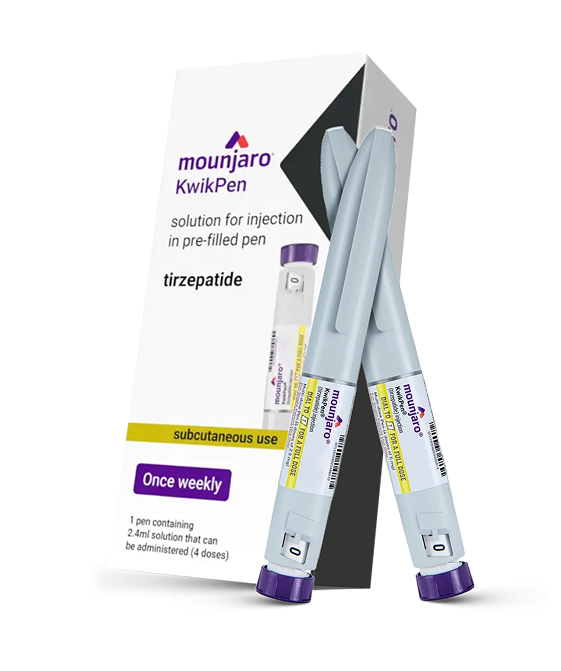
Mounjaro works by regulating appetite and supporting metabolic control, but when it comes to Mounjaro and hyperthyroidism, suitability depends on how stable your thyroid function is. In the UK, treatment is only considered after a proper clinical assessment confirms symptoms are controlled and safe monitoring is in place. The real decision comes down to whether your current thyroid status allows this treatment to work with your body, not against it.
Mounjaro
- ✔ ~22.5% average body weight loss
- ✔ Significant weight reduction
- ✔ Improves blood sugar levels
- ✔ Clinically proven weight loss
Key Takeaways on Mounjaro and Thyroid Safety
- Use of Mounjaro in hyperthyroidism depends on whether the condition is controlled
- It is not an automatic contraindication, but requires careful assessment
- Overlapping metabolic effects mean close monitoring is essential
- Risks include changes in heart rate, appetite, and weight patterns
- Stable thyroid levels improve suitability for treatment
- Clinician-led supervision is critical for safe use
Is Mounjaro Safe for People with Hyperthyroidism?
Yes, Mounjaro may be considered for people with hyperthyroidism, but only when the condition is stable and symptoms are well controlled. It is not automatically restricted, however treatment is usually delayed in active cases. In the UK, suitability is assessed individually to ensure safe and appropriate use.
Rather than focusing on the diagnosis alone, clinicians look at current thyroid behaviour. If symptoms such as palpitations, tremors, or unintended weight loss are ongoing, introducing Mounjaro may place additional strain on the body. Once levels are stable, it may be included as part of a structured, medically guided weight management plan.
How Mounjaro Affects Metabolism, Hormones, and Thyroid Function
Mounjaro works by activating GLP-1 and GIP hormones, which help regulate appetite, improve insulin sensitivity, and support controlled energy use. This leads to reduced calorie intake, improved blood sugar balance, and gradual weight loss. It does not directly change thyroid hormone levels but works alongside the body’s existing metabolic processes.
How GLP-1 and GIP Influence the Body
These hormones signal fullness and slow digestion, helping reduce hunger while maintaining steady energy levels. They also improve glucose handling, which supports consistent metabolic function rather than sudden fluctuations.
Impact on Metabolism and Insulin Sensitivity
Mounjaro helps the body use glucose more efficiently instead of storing it as fat. This promotes steady fat loss and avoids rapid or unstable changes in weight, which is important in medically supervised treatment.
Connection with Thyroid Hormones (T3 and T4)
Thyroid hormones such as T3 and T4 determine how quickly the body burns energy. While Mounjaro does not alter these hormones, its effects on appetite and energy balance operate within the same system. This means the overall response depends on how active the thyroid is at the time of treatment.
Find Out If Mounjaro is Clinically Suitable
-
 Clinician-led medical assessment
 -
Personalised dosing and nutrition support
-
Ongoing clinical monitoring throughout treatment

Key Risks of Using Mounjaro with Hyperthyroidism
Using Mounjaro in hyperthyroidism requires careful evaluation because certain effects can overlap and intensify if not properly managed. This does not mean the treatment is unsafe, but it does require a more structured and cautious approach.
Overlapping Symptoms to Watch
Some effects may appear similar to thyroid-related symptoms:
- Rapid heart rate
- Faster than expected weight loss
- Reduced appetite
These overlaps can make it difficult to identify whether changes are coming from treatment response or underlying thyroid activity.
Potential Health Risks
If not carefully managed, this combination may lead to:
- Excessive weight loss beyond healthy targets
- Dehydration, particularly when reduced appetite affects fluid intake
- Disruption in metabolic balance, especially if thyroid levels fluctuate
These risks are more likely when thyroid function is not fully stabilised, which is why treatment decisions are guided by careful clinical monitoring and ongoing assessment.
To better understand hydration needs during treatment, you can explore our guide on how much water to drink while using Mounjaro.
Important Thyroid Safety Consideration
Mounjaro includes a precaution related to thyroid C-cell tumours, based on animal data. While no direct link has been confirmed in humans, it is avoided in individuals with a personal or family history of specific thyroid cancers, such as medullary thyroid carcinoma. This reinforces the need for a full clinical review before starting treatment.
When Mounjaro May Be Suitable in Controlled Hyperthyroidism
Mounjaro may offer benefits in patients whose hyperthyroidism has already been treated and stabilised. In these cases, it can support structured weight loss, particularly where metabolic patterns have changed after thyroid treatment.
Controlled vs Uncontrolled Hyperthyroidism
Uncontrolled hyperthyroidism often presents with active symptoms and ongoing metabolic instability, making additional treatment unsuitable. In contrast, controlled cases provide a more stable foundation where weight management strategies can be safely introduced.
Patients After Thyroid Treatment
After treatments such as:
- Radioiodine therapy
- Long-term antithyroid medication
the body’s metabolism may shift from overactive to more balanced or even slower than expected. This change can make weight control more difficult.
Weight Regain After Thyroid Stabilisation
Many patients experience weight gain once thyroid levels return to normal. This is a natural adjustment as the body no longer burns energy at an elevated rate. In such cases, Mounjaro can help regulate appetite and support gradual weight loss.
Role in Insulin Resistance and Metabolic Health
Some individuals develop insulin resistance following thyroid imbalance. Mounjaro’s ability to improve insulin sensitivity makes it particularly useful in these situations, helping restore metabolic efficiency and support long-term weight management.
How to Use Mounjaro Safely with Hyperthyroidism?
Mounjaro can be used safely with hyperthyroidism when the condition is stable and treatment is carefully managed. Safe use depends on proper monitoring, coordinated care, and awareness of how the body responds during treatment.
- Achieve Stability Before Starting: Treatment is typically introduced only after thyroid levels are within a normal range. This reduces the risk of compounding metabolic stress.
- Coordinate Care Between Clinicians: Management should involve clear communication between healthcare providers to ensure thyroid treatment and weight management strategies work together effectively.
- Monitor Thyroid Function: Regular checks of TSH, T3, and T4 levels help track stability, especially during dose changes or weight fluctuations.
- Manage Medication Timing: Because Mounjaro slows digestion, spacing it appropriately from oral thyroid medications can help maintain consistent absorption.
- Respond to Physical Changes Promptly: Any new or persistent symptoms should be reviewed early to ensure treatment remains safe and well-tolerated.
Conclusion: Safe Use of Mounjaro with Hyperthyroidism
Mounjaro may be a suitable option for weight management in people with hyperthyroidism, but only when the condition is stable and properly assessed. Safety depends on individual factors such as thyroid control, current symptoms, and overall metabolic health. A personalised approach ensures that treatment supports your body rather than placing it under additional strain.
At Mayfair Weight Loss Clinic, every treatment plan is guided by clinical assessment and ongoing monitoring to ensure safe, effective outcomes. If you are considering Mounjaro, the next step is a professional consultation where your condition can be reviewed in detail, helping you move forward with clarity, confidence, and the right medical support.
FAQs About Mounjaro and Hyperthyroidism
Do thyroid drugs support weight loss?
Thyroid medications are used to restore normal hormone levels rather than directly cause weight loss. Once metabolism stabilises, some people may find weight management becomes easier, especially when combined with a structured plan like clinician-guided weight loss support.
Why is weight loss harder with thyroid problems?
Thyroid hormones regulate how the body uses energy, so when levels are too high or too low, metabolism becomes unpredictable. This can lead to inconsistent weight changes, making it harder to follow a steady and effective weight loss approach.
Does thyroid affect weight loss injections?
Yes, thyroid function can influence how the body responds to treatments like Mounjaro. Since both affect metabolism, appetite, and energy use, results may vary depending on whether thyroid levels are stable and well managed.
Can you use weight loss injections with thyroid medication?
In many cases, weight loss injections can be used alongside thyroid medication, but only under medical supervision. Careful monitoring ensures both treatments work together safely without affecting hormone balance or overall response.
What is weight loss thyroxine?
Weight loss linked to thyroxine refers to changes that occur when thyroid hormone levels are corrected. It is not a weight loss treatment itself, but restoring balance may indirectly support better weight control over time.
Is Mounjaro safe after thyroid treatment?
Mounjaro may be considered after thyroid treatment if hormone levels are stable and symptoms are controlled. A clinical assessment is essential to ensure the treatment fits safely within your current metabolic and health profile.
Can hyperthyroidism cause weight loss before treatment?
Yes, hyperthyroidism can increase metabolism, leading to unintentional weight loss even without lifestyle changes. However, this is not controlled or sustainable weight loss and usually stabilises once the condition is treated.
Can thyroid problems affect appetite and eating patterns?
Yes, thyroid conditions can change how hungry or full you feel. Hyperthyroidism may increase appetite, while other thyroid imbalances can reduce it, which can make weight management less consistent without structured guidance.
Mounjaro
Wegovy