Can You Take Mounjaro Pen After Gallbladder Removal? A Medical Guide for UK Patients
Explore whether people who have had gallbladder removal can safely use the Mounjaro Pen and how clinicians assess digestion and treatment suitability.
Last updated Mar 12, 2026
 8 min read

Patients who have had their gallbladder removed often wonder whether starting the Mounjaro Pen could affect digestion or worsen post-surgery symptoms. The injection contains tirzepatide, a medication increasingly used in the UK to support metabolic health and Mounjaro for Weight Loss. In most cases, gallbladder removal (cholecystectomy) does not prevent treatment.
However, it can raise questions because the surgery changes how the body processes fats. Since the injection also slows digestion, clinicians typically review digestive symptoms and overall health before prescribing it. With appropriate medical supervision, many patients without a gallbladder can still use the medication safely. This guide explains how digestion changes after surgery and what UK patients should consider before starting treatment.
Mounjaro
- ✔ ~22.5% average body weight loss
- ✔ Significant weight reduction
- ✔ Improves blood sugar levels
- ✔ Clinically proven weight loss
Essential Facts for Patients Without a Gallbladder
- Many people without a gallbladder may still use the Mounjaro Pen under clinician supervision.
- Gallbladder removal can slightly change how bile flows, which may influence digestion.
- Some digestive symptoms may overlap between surgery recovery and medication effects.
- Doctors usually assess symptoms, medical history, and metabolic health before prescribing treatment.
- Practical strategies such as smaller meals and lower-fat foods can help improve digestive comfort.
- Gradual dose increases often help patients adjust more comfortably to treatment.
Role of the Gallbladder and Digestive Changes After Removal
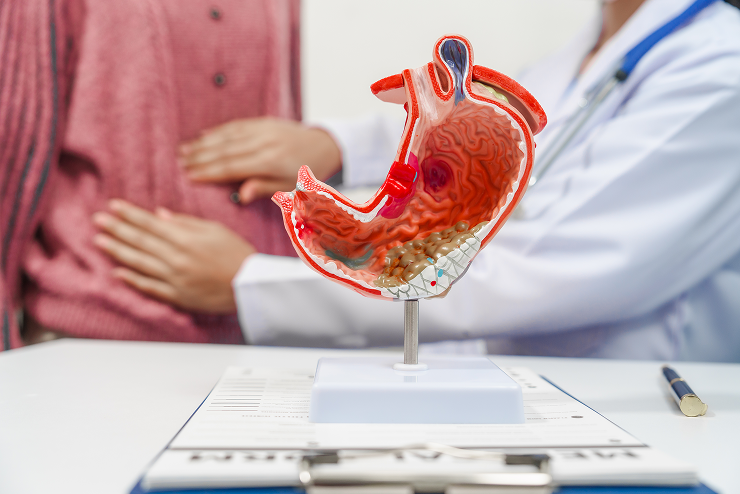
The gallbladder stores and concentrates bile produced by the liver, releasing it into the small intestine during meals to help break down fats into absorbable molecules. This process supports normal digestion and nutrient absorption. After gallbladder removal (cholecystectomy), bile flows continuously from the liver into the intestine rather than being stored, which can temporarily reduce fat digestion efficiency.
Many patients notice mild digestive symptoms such as bloating, gas, or loose stools, especially after fatty meals. These effects are usually temporary, and most people adapt well over time with a balanced diet and gradual adjustments to eating habits. Understanding these changes is important for patients considering treatments like the Mounjaro Pen, as digestive adaptation may influence how medications that slow gastric emptying are tolerated.
How the Mounjaro Pen Supports Weight Loss
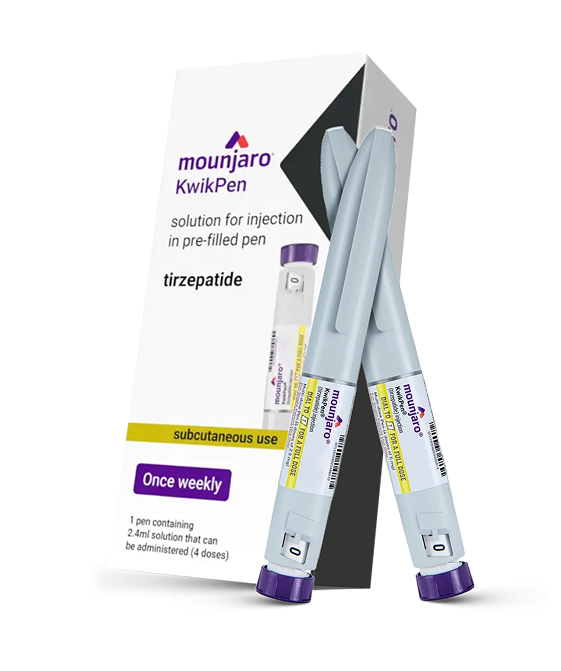
The Mounjaro Pen contains tirzepatide, which activates two key hormone pathways: GLP-1 and GIP receptors. These hormones regulate appetite signals and digestion, slowing stomach emptying, promoting feelings of fullness, and supporting blood sugar balance. This helps patients feel satisfied with smaller portions and reduces frequent hunger signals.
Thanks to these metabolic effects, the Mounjaro Pen is prescribed to support both weight management and blood sugar control. Many patients using Mounjaro for Weight Loss find it easier to manage appetite, which aids in creating a sustainable calorie deficit when combined with balanced nutrition and regular physical activity. This combination supports gradual, steady, and clinically guided weight-loss progress.
Find Out If Mounjaro is Clinically Suitable
-
 Clinician-led medical assessment
 -
Personalised dosing and nutrition support
-
Ongoing clinical monitoring throughout treatment

Can You Take Mounjaro Without a Gallbladder?
Many patients wonder if Mounjaro (tirzepatide) is safe after gallbladder removal. Fortunately, not having a gallbladder does not automatically prevent its use. There is no absolute contraindication, but a thorough assessment by a healthcare professional is essential. Mounjaro works on hormone pathways in the pancreas, brain, and intestines, which operate independently of the gallbladder, so its effectiveness is not affected by gallbladder removal.
Without a gallbladder, continuous bile flow combined with Mounjaro’s slowing of gastric emptying may increase digestive symptoms such as nausea, diarrhoea, or bloating. A clinician will review your medical history, the reason for surgery, current digestive symptoms, medications, and overall metabolic health to determine suitability and appropriate dosing.
Close monitoring is recommended, particularly during the initial weeks or after dose increases, to ensure tolerability and detect potential complications like bile duct stones or pancreatitis. Patients often start at a lower dose and gradually increase under supervision, and many with prior gallbladder removal can safely use Mounjaro when carefully monitored. Overall, Mounjaro can generally be used after gallbladder removal, but personalised assessment and careful monitoring are essential for safe and effective treatment.
Potential Side Effects of Mounjaro After Gallbladder Removal
Taking Mounjaro (tirzepatide) after gallbladder removal (cholecystectomy) is generally safe, but digestion may be affected. Without a gallbladder, bile flows continuously, which can make you more sensitive to fatty foods. Combined with Mounjaro’s effect of slowing stomach emptying, this can temporarily change how food moves through your digestive system.
Common and Potential Side Effects
- Enhanced Digestive Issues: You may be more prone to diarrhoea, bloating, or abdominal cramping, particularly after higher-fat meals.
- Standard Mounjaro Side Effects: Nausea, vomiting, diarrhoea, constipation, reduced appetite, and abdominal discomfort are common when starting or increasing doses.
- Temporary Digestive Symptoms: Mild nausea, softer stools, bloating, or fullness may occur as your body adjusts to both the medication and changes from surgery.
- Dumping Syndrome (Rare): Rapid gastric emptying may cause nausea, diarrhoea, and weakness.
- Biliary Issues: Even without a gallbladder, bile duct stones can still form.
- Rare Serious Risks: Pancreatitis, presenting as severe and persistent abdominal pain radiating to the back, is uncommon but possible.
Safety Considerations Before Starting Mounjaro
Before starting Mounjaro after gallbladder removal, it’s important to follow specific strategies to support digestion and minimise side effects:
- Follow Dietary Modifications: After gallbladder removal, it’s helpful to reduce dietary fat and focus on lean proteins, vegetables, and whole grains. This supports digestion while taking Mounjaro.
- Eat Smaller, More Frequent Meals: Opt for smaller portions throughout the day instead of a few large meals. This aids digestion and complements Mounjaro’s appetite-suppressing effects.
- Stay Hydrated: Adequate fluid intake is essential, especially if you experience diarrhoea or mild nausea, to prevent dehydration.
- Start Low and Monitor: Clinicians often recommend starting Mounjaro at a lower dose. This allows them to monitor digestive response before increasing the dosage, reducing the risk of side effects.
- Seek Medical Attention for Severe Symptoms: Contact your healthcare provider immediately if you experience severe abdominal pain, jaundice, dark urine, or pale stools.
- Maintain Ongoing Communication: Always discuss your treatment plan with your healthcare team to ensure it is tailored to your specific needs and monitor your response effectively.
When to Speak to Your Doctor
While most patients tolerate Mounjaro treatment well, certain symptoms should be discussed with a clinician. Medical advice is recommended if someone experiences persistent vomiting, severe abdominal pain, ongoing dehydration, or unexplained rapid weight loss. Although these symptoms are uncommon, they should be assessed promptly to ensure safe treatment.
Patients considering therapy can find further guidance on the clinic’s Mounjaro treatment page or review eligibility information through the blog on who is eligible for weight-loss injections in the UK.
Conclusion: Using Mounjaro Safely After Gallbladder Removal
Many patients who have undergone gallbladder removal can still use the Mounjaro Pen under medically supervised treatment. While digestion may change slightly after surgery, these differences do not automatically prevent treatment. Individual responses can vary, which is why evaluation by a qualified clinician is essential before starting therapy.
Gradual dose escalation and simple dietary adjustments often improve tolerance and comfort. At Mayfair Weight Loss Clinic, our UK-licensed healthcare professionals provide personalised guidance, reviewing your medical history and symptoms to ensure Mounjaro is used safely and effectively.
FAQs About Mounjaro and Gallbladder Removal
Does Mounjaro affect bile digestion?
Mounjaro slows the rate at which food leaves the stomach, which can influence digestion, but it does not directly change bile production. Patients who have had gallbladder removal may notice temporary digestive adjustments, particularly after fatty meals.
Is nausea worse after gallbladder removal?
Some patients may experience mild nausea initially when starting Mounjaro, especially after gallbladder surgery. Symptoms are generally short-term and improve as the body adapts to the medication.
How long after surgery can you start Mounjaro?
The timing depends on individual recovery and digestive stability. Clinicians usually recommend waiting until digestion has settled before beginning treatment to ensure better tolerance.
Does Mounjaro increase gallbladder problems?
For those without a gallbladder, Mounjaro does not create new gallbladder issues. Doctors focus on monitoring digestive symptoms and metabolic health to ensure safe and effective treatment.
Can GLP-1 medications affect fat digestion?
Yes, Mounjaro slows stomach emptying and modulates appetite signals, which can change how the body tolerates fatty meals, potentially causing temporary bloating or softer stools.
Is Mounjaro safe after gallbladder removal?
Many patients can safely use Mounjaro under clinician supervision. Individual responses vary, so careful monitoring and personalised dosing are important to minimise side effects.
Should diet change when using Mounjaro without a gallbladder?
Lower-fat meals, smaller portion sizes, and balanced nutrition can help reduce digestive discomfort and support treatment, especially in the early stages of therapy.
Can Mounjaro affect weight loss speed after gallbladder removal?
Mounjaro’s effect on appetite and metabolism remains effective even without a gallbladder. Some patients may notice gradual weight loss, and results can be optimised with a balanced diet, smaller meals, and regular monitoring by a clinician.
Mounjaro
- ✔ ~22.5% average body weight loss
- ✔ Significant weight reduction
- ✔ Improves blood sugar levels
- ✔ Clinically proven weight loss
Wegovy
- ✔ ~16.9% average body weight loss
- ✔ Boosts metabolic & cardiovascular health
- ✔ Proven, long-established safety profile
- ✔ Weekly injection, easy to use