Can You Take Mounjaro After Gastric Bypass Surgery? Safety, Benefits & Risks
Mounjaro may be used after gastric bypass or sleeve surgery, but timing and suitability depend on recovery and nutritional status.
Last updated Jun 09, 2026
 9 min read

Many people consider Mounjaro after gastric bypass or gastric sleeve surgery when weight loss slows, weight regain occurs, or appetite begins to return. While Mounjaro can be prescribed after bariatric surgery, it is not suitable for everyone and should only be started following a thorough clinical assessment. Understanding the benefits, risks, timing, and nutritional considerations can help determine whether Mounjaro is a safe and effective option after surgery.
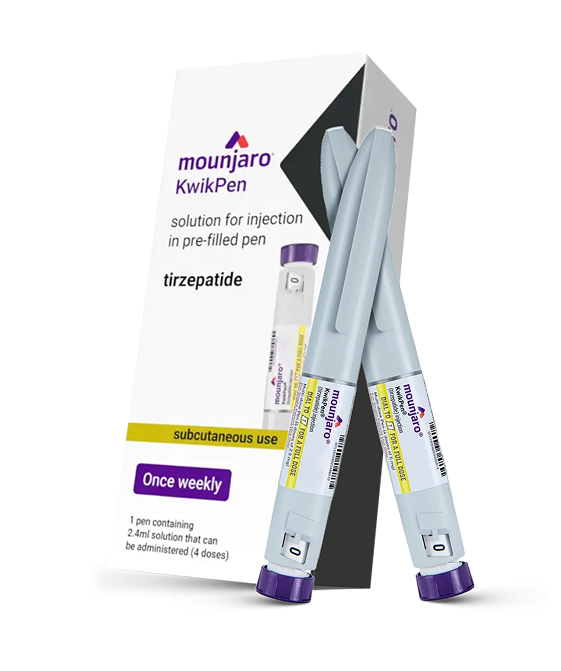
Mounjaro
Key Facts: Before Using Mounjaro After Surgery
- Mounjaro may be considered after bariatric surgery under clinical supervision
- It is often explored when weight regain or plateau occurs
- Timing depends on recovery stage and nutritional stability
- Careful monitoring is required due to post-surgical nutrient risks
- Lower starting doses are often used to improve tolerance
- Long-term success depends on combining treatment with lifestyle and nutrition
Is Mounjaro Safe After Gastric Sleeve or Bypass Surgery?
Mounjaro can be used after bariatric procedures, including Mounjaro after gastric bypass, under specialist supervision once recovery is stable. When considering Mounjaro and surgery together, suitability depends on nutritional status, healing progress, and overall health, with careful monitoring to ensure safe and effective use.
Safety Considerations: Mounjaro After Bariatric Surgery
- Typically introduced after recovery stabilises and nutritional intake is adequate
- May help manage weight regain or plateaus by improving appetite control
- Requires monitoring for dehydration, low blood sugar, and digestive side effects
- Lower starting doses are often used to improve tolerance post-surgery
- Not suitable in cases of malnutrition or unresolved complications
When and Why Mounjaro Is Prescribed After Bariatric Surgery
Mounjaro may be prescribed after bariatric surgery when weight loss slows, appetite returns, or metabolic concerns persist, but only after recovery is complete and nutritional status is stable. Many patients ask can I take Mounjaro after surgery, and suitability depends on careful clinical assessment and timing.
Weight Regain or Plateau
Some patients experience a plateau or gradual weight regain after initial success following surgery. In these cases, Mounjaro may be introduced to support further progress by improving appetite control, helping maintain a consistent calorie deficit, and supporting long-term weight stability under ongoing clinical supervision.
Persistent Hunger or “Food Noise”
Despite surgical changes, some individuals continue to experience increased hunger or intrusive food thoughts. Mounjaro may help regulate appetite signals, making it easier to control portion sizes, reduce cravings, and maintain structured eating habits. Learn more about how Mounjaro helps quiet food noise and supports long-term weight management.
Type 2 Diabetes or Insulin Resistance
Mounjaro may also be considered in patients with ongoing blood sugar concerns, including type 2 diabetes or insulin resistance. Its effects on glucose regulation can help stabilise blood sugar levels, support metabolic health, and complement weight management strategies after bariatric surgery when monitored appropriately.
Timing After Surgery
Mounjaro is typically not used during the early recovery phase after bariatric surgery. In situations such as Mounjaro after gastric sleeve, clinicians usually wait until healing is complete, weight loss has stabilised, and nutritional intake is adequate before initiating treatment safely and effectively. You can learn more about when to resume Mounjaro after surgery safely in our detailed guide.
Find Out If Mounjaro is Clinically Suitable
Start Your Free Consultation Now
 Clinician-led medical assessment
Personalised dosing and nutrition support
Ongoing clinical monitoring throughout treatment
Clinician-led medical assessment
Personalised dosing and nutrition support
Ongoing clinical monitoring throughout treatment 
Benefits vs Risks of Using Mounjaro After Gastric Surgery
Using Mounjaro after bariatric surgery can offer additional support, but it also requires careful consideration of risks.
Benefits
- Helps regulate appetite and reduce overeating
- Supports further weight loss or prevents regain
- May improve blood sugar control in patients with metabolic concerns
Risks
- Increased risk of nutrient deficiencies due to reduced intake
- Dehydration if appetite suppression leads to low fluid intake
- Risk of low blood sugar, especially in patients with diabetes
- Digestive side effects such as nausea or vomiting
As Mounjaro and surgery both affect appetite and digestion, combining them requires close monitoring to avoid complications.
Mounjaro After Surgery: Dosing, Safety and Absorption Explained
Using Mounjaro after bariatric surgery requires a cautious, individualised approach, as the body’s tolerance and nutritional balance can differ significantly post-surgery. In cases such as Mounjaro after gastric sleeve, careful dosing and monitoring are essential to ensure safe and effective use while supporting long-term health outcomes.
Why Lower Doses May Be Required
After surgery, patients often have reduced food intake and increased sensitivity to side effects. Starting on a lower dose helps minimise nausea, fatigue, and digestive discomfort, allowing the body to adjust gradually without overwhelming an already adapted system.
Absorption vs Tolerance After Surgery
Bariatric surgery does not affect how Mounjaro is absorbed, as it is delivered via injection. However, changes in digestion and reduced stomach capacity can affect tolerance, particularly in how the body responds to appetite suppression and gastrointestinal side effects.
Gradual Dose Escalation
Slow and controlled dose increases are important after surgery to reduce the risk of side effects. Gradual escalation allows clinicians to monitor tolerance closely, adjust treatment safely, and ensure the patient remains comfortable while progressing towards an effective dose.
Monitoring Nutrition and Hydration
Close attention must be given to hydration, protein intake, and micronutrient levels. Appetite suppression combined with surgical changes can increase the risk of deficiencies, making regular nutritional monitoring essential to maintain overall health during treatment.
Importance of Clinician Follow-Up
Ongoing clinical follow-up ensures that treatment remains safe and appropriate. Regular reviews allow for dose adjustments, side effect management, and assessment of nutritional status, helping patients achieve sustainable results while minimising risks after bariatric surgery.
If you are considering treatment, a clinician at Mayfair Weight Loss Clinic can assess your individual suitability and provide a personalised plan following a medical evaluation to ensure safe and appropriate use.
Who Should Avoid Mounjaro After Bariatric Surgery?
Mounjaro may not be suitable for every patient after bariatric surgery, particularly where recovery is incomplete or nutritional status is unstable. A careful clinical assessment is essential to identify risks and ensure treatment is only used when it is safe and appropriate.
- Severe Malnutrition: Patients with significant nutrient deficiencies or poor dietary intake should avoid starting Mounjaro. Appetite suppression may worsen nutritional imbalance, increasing the risk of fatigue, weakness, and delayed recovery following surgery.
- Uncontrolled Post-Surgical Side Effects: Individuals experiencing ongoing issues such as persistent nausea, vomiting, or digestive discomfort may not tolerate Mounjaro well. Introducing treatment too early can intensify these symptoms and delay recovery.
- High-Risk Metabolic Groups: Patients with a history of recurrent hypoglycaemia or unstable blood sugar levels require extra caution. Mounjaro can further affect glucose regulation, making close monitoring essential before considering treatment.
If symptoms such as persistent vomiting, dizziness, or weakness occur, medical review is essential. Decisions around whether you can take Mounjaro after surgery should always be made with clinician guidance.
Conclusion: Clinically Guided Path After Surgery
Managing weight after bariatric surgery often requires a structured and personalised approach, especially when progress slows or appetite returns. Mounjaro after gastric bypass may offer additional support in selected cases, but it works best when combined with consistent lifestyle habits, balanced nutrition, and long-term behavioural changes.
A medically guided approach ensures treatment is introduced safely, at the right time, and tailored to individual needs. With proper supervision and ongoing monitoring, patients can move forward with confidence, supporting sustainable results while protecting their overall health and recovery.
FAQs About Mounjaro After Gastric Bypass Surgery
When can you resume mounjaro after surgery?
Resuming treatment depends on full recovery, stable nutrition, and consistent food intake. Clinicians typically wait until healing is complete and the body has adjusted to post-surgical changes before considering Mounjaro, ensuring it can be introduced safely without increasing the risk of complications.
Can i take Mounjaro after surgery?
Mounjaro may be used after surgery, but only following a thorough clinical assessment. Suitability depends on recovery progress, nutritional status, and overall health, with treatment introduced in a controlled and supervised way to support safe, long-term outcomes.
Is Mounjaro safe after gastric bypass?
Mounjaro can be safe for selected patients when prescribed under medical supervision. However, risks such as nutrient deficiencies, dehydration, and digestive side effects must be monitored closely, particularly because the body’s tolerance and nutritional needs change after surgery.
Does gastric sleeve affect Mounjaro use?
Gastric sleeve surgery does not affect how Mounjaro is absorbed, as it is given by injection. However, it can influence how well the body tolerates side effects, meaning dose adjustments and careful monitoring are often required during treatment.
How soon after bariatric surgery can I start Mounjaro?
There is no fixed timeline, as timing varies between individuals. Most patients need to complete the recovery phase and achieve stable nutritional intake before treatment is considered, allowing clinicians to assess readiness and minimise potential risks.
Does Mounjaro cause complications after surgery?
Complications are not common but can occur if treatment is not carefully managed. These may include dehydration, nausea, or low blood sugar, especially in patients with reduced intake, making ongoing monitoring important to maintain safety.
Can Mounjaro help weight regain after bypass?
Mounjaro may help manage appetite and reduce food intake, supporting patients who experience weight regain after bypass surgery. When combined with lifestyle changes and clinical supervision, it can contribute to more consistent weight management over time.
Do you need lower doses after bariatric surgery?
Yes, many patients begin with lower doses to improve tolerance and reduce the likelihood of side effects. Gradual dose increases allow the body to adjust safely while clinicians monitor response, ensuring treatment remains effective and appropriate.
Mounjaro
Wegovy