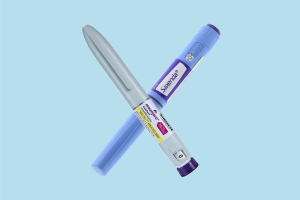
Can Mounjaro Pen Cause Joint or Muscle Pain? UK Clinical Insights
Learn how Mounjaro Pen may relate to joint or muscle discomfort, why these symptoms occur, and practical strategies to manage them safely during treatment.
Last updated Mar 13, 2026

 9 min read

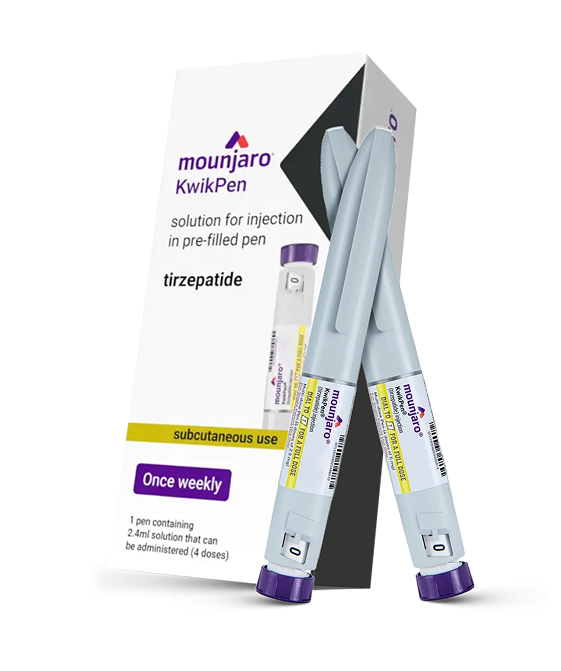
For some patients starting Mounjaro Pen, the journey to weight loss management may come with unexpected musculoskeletal sensations. This once-weekly injection, containing tirzepatide, can rarely cause mild joint or muscle discomfort, though such effects are uncommon according to UK clinical guidance.
These aches usually appear during the early weeks and are temporary, often linked to rapid weight loss, shifts in activity levels, or the body adjusting to new metabolic demands. Understanding the difference between typical musculoskeletal aches and true inflammatory joint pain is essential. This article explores the causes, current clinical evidence, and practical strategies to safely manage joint and muscle discomfort while using Mounjaro for Weight Loss.
Mounjaro
- ✔ ~22.5% average body weight loss
- ✔ Significant weight reduction
- ✔ Improves blood sugar levels
- ✔ Clinically proven weight loss
What to Know About Joint Pain on Mounjaro
- Some patients on Mounjaro for Weight Loss may experience mild joint or muscle symptoms.
- Rapid weight loss, changes in hydration, and increased physical activity can contribute to temporary discomfort.
- Long-term weight loss with Mounjaro may improve joint health by reducing pressure on knees, hips, and lower back.
- Mild symptoms can often be managed with hydration, gentle exercise, and anti-inflammatory nutrition.
- Persistent, severe, or worsening pain warrants consultation with a UK-licensed clinician.
Mounjaro Pen and Joint Pain: What the Evidence Shows
Current clinical trials and post-marketing surveillance indicate that joint pain is not a common or directly caused side effect of Mounjaro (tirzepatide). Reports of musculoskeletal discomfort do occur, but these instances are generally uncommon, temporary, and often arise from indirect factors rather than a direct effect of the medication itself. Many patients experiencing mild aches are more likely responding to changes in weight, activity levels, or hydration status rather than the pharmacology of Mounjaro.
- Clinical Insights: Low Frequency in Studies: Across the SURPASS and SURMOUNT trials, approximately 3–7% of participants reported musculoskeletal symptoms, including joint discomfort. These rates were similar to placebo groups, suggesting no strong direct link.
- Uncommon Adverse Event Classification: Muscle aches, known clinically as myalgia, are labelled “uncommon” in the UK Summary of Product Characteristics (SmPC), affecting less than 1 in 100 patients.
- Indirect Factors: Rapid weight loss can alter body mechanics, shifting posture and placing additional, temporary stress on joints such as the knees, hips, and lower back. Similarly, gastrointestinal side effects like nausea, vomiting, or diarrhoea may lead to dehydration and electrolyte imbalances, which can contribute to joint stiffness, muscle cramps, and general body aches.
- Anti-Drug Antibody Response: Research suggests that roughly one-quarter of patients develop antibodies to tirzepatide. These antibodies can sometimes trigger short-term, flu-like symptoms that include joint or muscle inflammation, particularly during the early stages of treatment.
Overall, while temporary joint or muscle aches may appear during treatment, these symptoms are usually short-lived. Moreover, the medication may contribute to long-term improvements in joint function through weight reduction and reduced inflammatory stress.
Achieve Sustainable Weight Loss
-
 Clinically Proven Treatments
 -
Balanced Nutrition Plan
-
Expert Professional Guidance

How Mounjaro Pen Can Help Reduce Joint Pain
Sustained weight loss with Mounjaro pen can provide meaningful benefits for joint health. Reducing body weight lowers pressure on the knees, hips, and lower back, which often eases chronic discomfort and improves mobility. Additionally, metabolic improvements associated with weight loss may help reduce systemic inflammation, further supporting joint function.
Many patients report gradual relief in pre-existing joint conditions as they maintain weight loss, enhancing functional strength and daily movement. Combining Mounjaro treatment with gentle exercises, such as low-impact cardio or stretching, can amplify these benefits. Regular activity helps strengthen muscles around joints, improve stability, and support overall musculoskeletal well-being, making weight loss not just a metabolic goal but also a way to protect joint health.
Evidence-Based Benefits for Joint Health
Clinical research suggests that Mounjaro pen may offer long-term positive effects on joints:
- Lower Osteoarthritis Risk: A 2025 study found that patients using tirzepatide had a 43% reduced risk of developing osteoarthritis compared with other weight-loss therapies.
- Reduced Systemic Inflammation: As a GLP-1/GIP receptor agonist, Mounjaro for weight loss contributes to decreased overall inflammation, which can alleviate discomfort in joints affected by chronic inflammatory conditions.
Overall, while temporary musculoskeletal aches may occur during early treatment, long-term weight reduction with Mounjaro often leads to improved joint function, reduced pain, and enhanced mobility.
Joint Pain vs General Body Aches
The key distinctions between joint pain and general body aches to understand musculoskeletal symptoms while using the Mounjaro Pen.
Joint Pain (Arthralgia)
Usually sharp, localized discomfort at a specific joint such as the knee, hip, or hand. It may persist at rest and can involve visible swelling, redness, or stiffness. Common causes include arthritis (osteoarthritis, rheumatoid arthritis), gout, injuries, or overuse. These symptoms often limit movement and can interfere with daily activities.
General Body Aches (Myalgia):
Typically dull, widespread soreness affecting muscles, ligaments, and tendons. Causes may include intense exercise, viral infections, dehydration, stress, or chronic conditions like fibromyalgia. Muscle aches often improve with rest or gentle movement and create an overall sensation of heaviness rather than localized pain.
Recognising the difference between arthralgia and myalgia helps clinicians determine whether symptoms are a normal adaptation, a transient effect of weight loss, or require further investigation. Persistent joint inflammation or severe pain should always prompt medical evaluation.
How to Manage Joint Pain While Taking Mounjaro Pen
- Hydration and Electrolytes: Maintain adequate fluid intake and electrolyte balance.
- Gradual Physical Activity: Introduce low-impact exercises like walking or swimming to reduce stress on joints.
- Anti-inflammatory Nutrition: Include nutrient-dense foods to support musculoskeletal health.
- Posture and Mobility Exercises: Stretching and mobility routines can alleviate stiffness.
- Clinician-approved Pain Relief: Use OTC options cautiously, following professional guidance.
Timeline: How Long Do Joint Pain Last?
When starting or adjusting your Mounjaro Pen treatment, it’s helpful to know how joint and muscle symptoms typically progress over time so you can anticipate changes and manage them effectively.
Week 1–4: Early Adjustment Phase
During the first few weeks, mild muscle cramps, stiffness, or general body aches are most common. These often occur as the body adapts to the effects of Mounjaro for weight loss or when the dosage is increased. Temporary joint discomfort may also appear, especially as rapid weight changes place new stress on knees, hips, or the lower back.
Week 4–8: Adaptation Period
Most symptoms gradually improve as the body becomes accustomed to the medication. Hydration, electrolyte balance, and light, gentle activity can support recovery and ease muscle or joint aches. Persistent discomfort should still be discussed with your clinician to rule out other causes.
Long-Term Effects
Sustained weight loss achieved with weight loss injection Mounjaro often reduces stress on weight-bearing joints. Over time, patients may notice improved mobility, decreased stiffness, and enhanced comfort in daily activities, supporting overall musculoskeletal health.
Conclusion: Manage Joint Pain With Mounjaro
Joint or muscle discomfort while using Mounjaro Pen is generally mild, temporary, and manageable. Contributing factors can include rapid weight loss, lifestyle changes, or increased activity. Over time, sustained weight reduction may improve joint health, mobility, and overall comfort.
Patients are advised to consult UK-licensed clinicians at Mayfair Weight Loss Clinic if symptoms persist or worsen. Maintaining proper hydration, monitoring your progress, and engaging in gentle activity can help support both comfort and the effectiveness of your treatment.
Frequently Asked Questions About Mounjaro and Joint Pain
Can Mounjaro help knee or back pain?
Yes. By promoting gradual and sustained weight loss, Mounjaro can reduce stress on weight-bearing joints, including knees, hips, and the lower back, which may alleviate pre-existing discomfort and improve mobility over time.
Should I exercise if I have joint discomfort?
Gentle, low-impact exercise such as walking, swimming, or cycling is recommended to maintain mobility and muscle support. Avoid movements that worsen pain, and always check with your clinician before starting new activity.
Will joint pain return if treatment stops?
Stopping Mounjaro does not directly cause joint pain, but any subsequent weight gain or reduced activity may increase pressure on joints, potentially exacerbating pre-existing discomfort.
Is muscle soreness normal with Mounjaro Pen?
Mild, temporary muscle aches or stiffness can occur during the first weeks of treatment as the body adapts to weight changes and increased activity. Symptoms typically improve within a few weeks.
Can I take pain relief with Mounjaro?
Over-the-counter pain relief can be used if recommended by your clinician. Ensure that any medication does not interact with Mounjaro or other prescribed treatments.
Does Mounjaro affect arthritis or gout?
Mounjaro does not cause inflammatory arthritis. Patients with pre-existing conditions, including gout, should discuss their individual situation with a UK-licensed clinician for tailored guidance.
When Joint Pain May Indicate a Medical Issue
Seek professional advice if symptoms include ongoing swelling, severe pain, restricted joint movement, or discomfort lasting more than a few weeks. While minor aches are common, sustained or worsening pain may signal a separate health issue.
Who Is Most Likely to Experience Joint Changes During Treatment
- Patients experiencing rapid weight loss in the early weeks.
- Individuals starting new exercise or strength routines.
- Patients with pre-existing joint conditions, such as osteoarthritis.
- Older adults with reduced muscle mass or joint support.
Mounjaro
- ✔ ~22.5% average body weight loss
- ✔ Significant weight reduction
- ✔ Improves blood sugar levels
- ✔ Clinically proven weight loss
Wegovy
- ✔ ~16.9% average body weight loss
- ✔ Boosts metabolic & cardiovascular health
- ✔ Proven, long-established safety profile
- ✔ Weekly injection, easy to use