
Can Mounjaro Help With Endometriosis Symptoms? What Current Evidence Suggests
Get to know whether Mounjaro and endometriosis may be linked through changes in weight, metabolism, and hormone-related symptoms.
Last updated May 15, 2026

 9 min read

Endometriosis is a long-term inflammatory condition that may cause pelvic pain, bloating, fatigue, painful periods, and digestive discomfort. Hormones, metabolism, inflammation, and immune activity can all influence symptom patterns over time. Growing interest in Mounjaro and endometriosis has therefore started appearing within weight-management and chronic-health discussions.
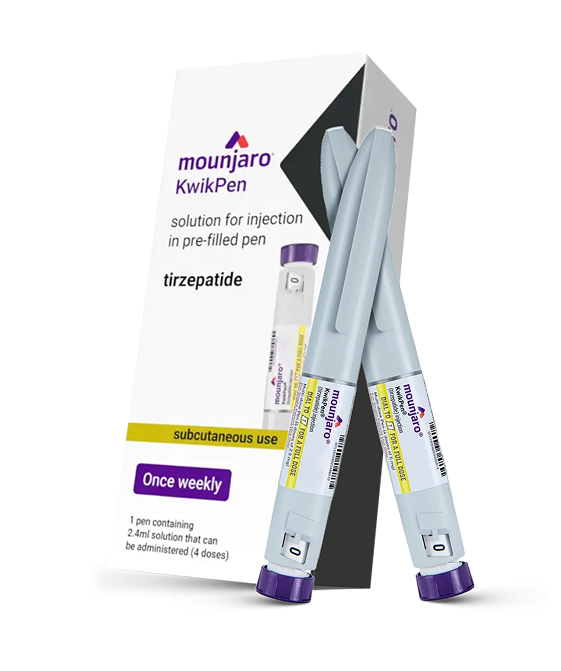
Mounjaro is prescribed for medically supervised weight management in suitable adults, but it is not approved to treat endometriosis directly. Some people living with chronic pain, insulin resistance, or weight-related inflammation are now exploring whether metabolic changes during treatment may indirectly influence symptoms, although research remains limited.
Mounjaro
Key Insights About Mounjaro and Endometriosis
- Mounjaro is not an approved treatment for endometriosis.
- Weight and metabolic health may influence symptoms for some individuals.
- Research involving GLP-1 medications and endometriosis remains limited.
- Hormones, inflammation, and insulin sensitivity may all play a role in symptom patterns.
- Ongoing medical supervision remains important during treatment.
- Lifestyle habits still matter alongside medication support.
How Mounjaro Affects Appetite Metabolism and Weight
Mounjaro is a prescription medication used for type 2 diabetes and medically supervised weight management in suitable adults. It contains tirzepatide, which helps regulate appetite, blood sugar, insulin response, and digestion by targeting GLP-1 and GIP hormone pathways within the body.
Appetite and Blood Sugar
GLP-1 and GIP are natural gut hormones released after eating. They help people feel fuller for longer, support insulin release, slow digestion, and improve blood sugar regulation. Due to these effects, many people using Mounjaro notice reduced appetite and gradual weight loss over time.
Chronic Inflammation
Interest in tirzepatide has increased among people living with chronic inflammatory conditions. Fatigue, insulin resistance, reduced mobility, and metabolic-health challenges may all affect overall wellbeing in some individuals. Growing discussion around glp1 and endometriosis has therefore started appearing within chronic-health and weight-management conversations.
Hormones and Periods
Some patients have also raised questions about Mounjaro and periods, particularly where hormonal patterns, appetite changes, or weight fluctuations appear to shift during treatment. However, large-scale clinical research involving endometriosis specifically is still limited, and Mounjaro is not approved to treat endometriosis directly.
How Endometriosis Affects Hormones Weight and Inflammation
Endometriosis is influenced by several overlapping factors including chronic inflammation, hormone activity, metabolism, and immune-system responses. These changes may affect pelvic pain, bloating, fatigue, digestion, mobility, and overall quality of life differently from person to person. Due to this, growing discussion around weight loss and endometriosis now focuses on how metabolic health may sometimes influence symptom patterns alongside medical treatment.
Chronic Inflammation and Pain
Inflammation plays an important role in endometriosis symptoms. Ongoing inflammatory activity may contribute to pelvic pain, swelling, digestive discomfort, fatigue, and sensitivity around affected tissues over time. For some individuals, inflammation may also affect energy levels and physical movement during flare-prone periods.
Estrogen and Hormonal Activity
Endometriosis is considered an estrogen-sensitive condition, which means hormone fluctuations can influence how symptoms develop and progress. Changes in estrogen levels may affect pain severity, bloating, menstrual symptoms, and inflammation patterns throughout the cycle.
Insulin Resistance and Metabolic Health
Some people living with endometriosis may also experience insulin resistance or metabolic-health challenges alongside chronic inflammation. Reduced activity levels, fatigue, stress, sleep disruption, and weight fluctuations may all affect blood sugar balance and overall wellbeing over time.
The Weight Paradox
Body weight and endometriosis have a complex relationship. Some people with endometriosis struggle with weight gain linked with inflammation, reduced mobility, or hormone-related changes, while others experience difficulty maintaining weight because of pain, nausea, or appetite disruption. This is sometimes described as the “weight paradox” within endometriosis discussions.
Pain Fatigue and Daily Comfort
Changes in body weight may sometimes influence mobility, physical strain, fatigue, and day-to-day comfort for certain individuals. Discussions around periods and Mounjaro have therefore increased as some people explore whether metabolic changes, appetite regulation, or gradual weight reduction may indirectly affect symptom patterns during treatment. However, treatment experiences can differ between individuals.
Find Out If Mounjaro is Clinically Suitable
Start Your Free Consultation Now
 Clinician-led medical assessment
Personalised dosing and nutrition support
Ongoing clinical monitoring throughout treatment
Clinician-led medical assessment
Personalised dosing and nutrition support
Ongoing clinical monitoring throughout treatment 
Does Mounjaro Help With Endometriosis Symptoms?
Mounjaro is not approved to treat endometriosis directly, and current evidence remains limited. However, some evidence suggests that weight loss, improved insulin sensitivity, and metabolic changes during treatment may indirectly influence symptoms such as bloating, fatigue, inflammation, pelvic discomfort, and Mounjaro period pain discussions reported by some individuals with endometriosis.
How Metabolism May Affect Endometriosis Symptoms
- GLP-1 medicines may help improve insulin sensitivity and blood sugar regulation.
- Weight reduction may sometimes lower estrogen-related metabolic strain in some individuals.
- Some patients report improvements in bloating, mobility, and daily comfort during treatment.
- Changes linked with the Mounjaro effect on period patterns may vary between individuals.
- Reduced inflammation does not mean endometriosis itself is being cured or reversed.
- Long-term clinical research on tirzepatide and endometriosis is still emerging.
Possible Risks Side Effects and Medication Considerations
Mounjaro may cause digestive side effects during the early stages of treatment, including nausea, vomiting, constipation, bloating, diarrhoea, stomach discomfort, and reduced appetite. For some people already managing endometriosis-related fatigue, pelvic pain, or digestive symptoms, these effects may occasionally feel more noticeable during treatment adjustment.
Symptom Overlap During Treatment
Some Mounjaro side effects may overlap with endometriosis symptoms such as bloating, abdominal discomfort, fatigue, or reduced energy levels. Discussions around Mounjaro periods have also increased as some people notice menstrual or hormonal changes during treatment, although symptom patterns remain highly individual.
Birth Control and Medication Absorption
Because Mounjaro slows stomach emptying, it may affect how some oral contraceptive pills are absorbed during treatment. People using hormonal birth control should discuss medication timing and contraceptive guidance carefully with a healthcare professional.
Nutrition and Weight Loss
Reduced appetite may sometimes increase the risk of dehydration, low protein intake, vitamin deficiencies, or inadequate calorie intake during rapid weight loss. Some online discussions around Mounjaro and heavy periods may also relate to broader hormonal or metabolic changes occurring during treatment. Patients struggling with hydration may benefit from reading how much water should you drink on Mounjaro to better support fluid intake and overall wellbeing during treatment.
Who May Need Extra Caution
Mounjaro may not be suitable for everyone, particularly people with certain gastrointestinal conditions, severe digestive symptoms, or significant nutritional concerns. A full clinical assessment is usually recommended before starting treatment.
Who Should Discuss Mounjaro With a Doctor?
People experiencing persistent fatigue, insulin resistance, or weight-related inflammatory challenges may benefit from discussing treatment suitability with a healthcare professional. Some individuals may also require closer assessment before starting medically supervised weight-management treatment.
People who may benefit from discussing Mounjaro with a doctor include those managing:
- Obesity
- Insulin resistance
- Type 2 diabetes
- Chronic inflammatory challenges
- Reduced mobility linked with chronic pain
For some patients, improved weight loss and metabolic health may indirectly support energy levels, movement, and overall wellbeing during medically supervised treatment.
People considering treatment may wish to discuss:
- Current medications
- Menstrual changes
- Digestive symptoms
- Hormonal birth control
- Nutritional intake
- Long-term symptom management goals
Lifestyle support also remains important alongside medication. Nutrition, hydration, sleep quality, stress management, and sustainable movement habits may all influence symptom control and long-term wellbeing. Patients interested in related hormonal and metabolic discussions may also find value in reading Mounjaro for weight loss and ovarian cysts.
Conclusion: Understanding Mounjaro and Endometriosis
Mounjaro is not a cure or approved treatment for endometriosis, and current research remains limited. However, growing interest continues because of its effects on appetite, metabolism, insulin sensitivity, and weight management. Some people may notice indirect improvements in energy levels, bloating, mobility, or overall comfort during treatment, although responses can vary significantly between individuals.
Because hormones, inflammation, metabolism, and chronic pain can affect symptoms differently, medical guidance remains important before starting any treatment. Individuals considering medically supervised support may benefit from speaking with the clinical team at Mayfair Weight Loss Clinic to discuss suitable options for their individual health needs.
FAQs About Mounjaro and Endometriosis
Does Mounjaro cause heavy periods?
Current evidence does not confirm that Mounjaro directly causes heavy periods. However, hormonal shifts, weight changes, stress, and metabolic changes during treatment may sometimes affect menstrual patterns in certain individuals.
Can Mounjaro stop periods?
Mounjaro is not designed to stop periods directly. However, significant weight changes, calorie reduction, hormonal fluctuations, or metabolic changes may occasionally influence menstrual cycles during treatment.
Can Mounjaro help with endometriosis pain?
Some people report indirect improvements in comfort or mobility during weight loss treatment, but there is currently no strong evidence showing that Mounjaro directly treats endometriosis pain itself.
Does weight loss improve endometriosis symptoms?
Gradual weight reduction may sometimes improve mobility, reduce physical strain, and support metabolic health in certain individuals. However, weight loss does not cure endometriosis itself.
Can Mounjaro affect menstrual cycles?
Some people notice cycle timing or symptom changes during treatment. Hormones, weight changes, stress, appetite shifts, and metabolic changes may all contribute to menstrual differences.
Is Mounjaro safe with hormonal birth control?
Because Mounjaro slows stomach emptying, it may affect how some oral contraceptive pills are absorbed. Patients should discuss contraception and medication timing carefully with a healthcare professional.
Why are people discussing GLP-1 medications and endometriosis?
Interest has increased because metabolism, inflammation, hormones, and insulin sensitivity may overlap in some individuals with endometriosis. Research remains limited, but discussion around these connections continues to grow.
Who should avoid Mounjaro?
People with certain gastrointestinal conditions, severe digestive symptoms, uncontrolled medical problems, or treatment contraindications may not be suitable candidates. Medical assessment remains important before starting treatment.
Mounjaro
Wegovy