Can Mounjaro for Weight Loss Cause Pancreatitis? Understanding the Risks and Safety
Explore whether concerns about pancreatitis risk with Mounjaro for Weight Loss are supported by evidence, and understand what this means for your safety.
Last updated Mar 03, 2026
 9 min read

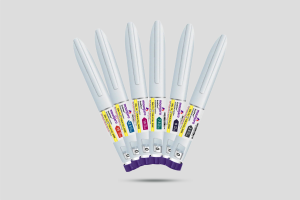
GLP-1 and dual-agonist medications have transformed medical weight management in recent years, and many people are now considering Mounjaro for Weight Loss. As its use has increased, so have questions about safety, particularly concerns about pancreatitis. While acute pancreatitis is listed as a rare but serious potential side effect, clinical evidence currently suggests it occurs infrequently.
However, online discussions can sometimes overstate risk without explaining the full medical context. Understanding how the medication affects digestion, who may be more vulnerable, and which symptoms require prompt medical attention is essential. This article explains how Mounjaro pen works, the real risk of pancreatitis, and how treatment is monitored safely in the UK.
Mounjaro
- ✔ ~22.5% average body weight loss
- ✔ Significant weight reduction
- ✔ Improves blood sugar levels
- ✔ Clinically proven weight loss
Key Safety Points About Mounjaro and Pancreatitis
- The overall risk of pancreatitis appears low based on current clinical data.
- Most side effects are digestive and temporary, not signs of serious complications.
- Certain individuals, such as those with previous pancreatitis or gallstones, may require closer monitoring.
- Severe, persistent abdominal pain should always prompt urgent medical assessment.
- Careful prescribing and follow-up reduce risk and support safe treatment.
How the Mounjaro Injection Works to Support Weight Loss Safely
Understanding how this treatment interacts with appetite hormones and digestion helps explain both its effectiveness and its safety profile.
What Is Tirzepatide?
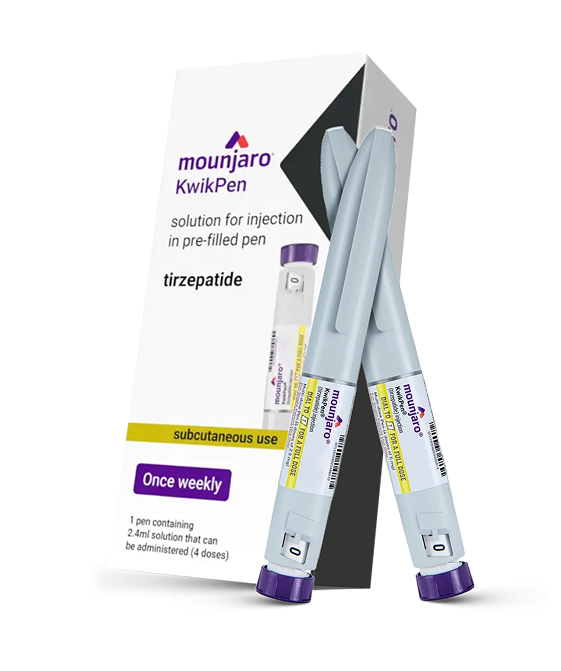
Tirzepatide is the active ingredient in the mounjaro injection uk, administered once weekly to support medical weight management. It belongs to a newer class of treatments designed to regulate appetite, blood sugar balance, and metabolic function. By targeting key hormonal pathways, it helps the body manage hunger and energy use more effectively.
How It Targets GLP-1 and GIP Hormones
Mounjaro injection works by mimicking two naturally occurring hormones called GLP-1 and GIP. These hormones help control appetite, improve insulin response, and regulate how the body processes nutrients. As a result, the brain receives clearer signals of fullness, which helps reduce overeating and stabilise energy levels.
How It Influences Appetite and Digestion
The medication slows the rate at which food leaves the stomach, a process known as delayed gastric emptying. This allows individuals to feel satisfied for longer after eating smaller portions. Consequently, calorie intake often decreases naturally, supporting gradual and sustainable weight reduction without forcing restrictive eating patterns.
Why the Pancreas Plays a Role
GLP-1 and GIP hormones also support healthy insulin release from the pancreas, which improves blood sugar regulation and metabolic efficiency. This connection explains why some patients ask whether can mounjaro cause pancreatitis. However, therapeutic use supports normal metabolic signalling rather than causing inflammation, and serious pancreatic complications remain uncommon under proper medical supervision.
Common and Very Common Mounjaro Side Effects
Most people using Mounjaro for Weight Loss experience mild digestive symptoms, particularly during dose escalation.
- Digestive Side Effects: Nausea, diarrhoea, constipation, and occasionally vomiting on Mounjaro may occur, especially during the early weeks of treatment. These effects are typically temporary and improve as your body adapts to the medication. You may also find our guide on digestive side effects helpful for practical management advice.
- Stomach Pain and Bloating: Mild abdominal discomfort is common. Many patients seek Mounjaro stomach pain relief through smaller meals and hydration. Persistent severe pain is different and requires review.
- Injection Site Reactions: Redness or tenderness at the injection site may appear temporarily.
- Fatigue and Dizziness: Reduced calorie intake can sometimes lead to mild fatigue, particularly early on.
Find Out If Mounjaro is Clinically Suitable
-
 Clinician-led medical assessment
 -
Personalised dosing and nutrition support
-
Ongoing clinical monitoring throughout treatment

Serious Side Effects: When Should You Be Concerned?
Most side effects are mild and temporary. However, certain symptoms should never be ignored.
- Severe or Persistent Abdominal Pain: Sudden, intense upper abdominal pain that does not settle, especially if it radiates to the back, may require urgent assessment to rule out pancreatic or gallbladder complications.
- Signs of Dehydration: Repeated vomiting on Mounjaro, particularly with dizziness or reduced urination, can lead to dehydration and should be reviewed promptly.
- Allergic Reactions: Swelling of the face or throat, rash, itching, or breathing difficulty require immediate medical attention.
- Gallbladder Symptoms: Rapid weight loss can increase the risk of gallstones and mounjaro-related gallbladder concerns. Persistent upper right abdominal pain or nausea after meals should be medically evaluated.
Does Mounjaro Cause Pancreatitis?
Understanding the difference between common digestive side effects and rare pancreatic complications helps place this concern into proper medical context.
What Is Pancreatitis?
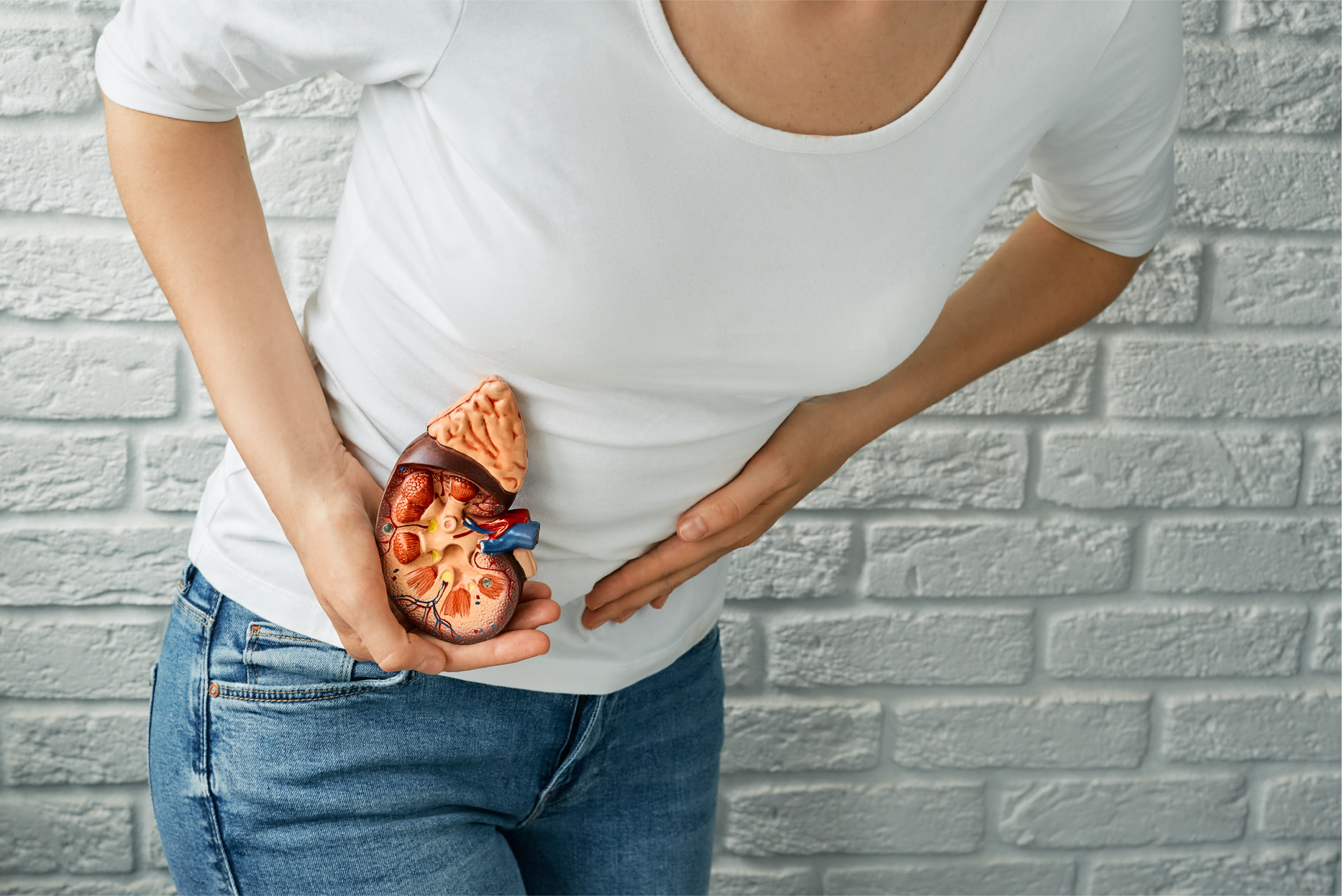
Pancreatitis is inflammation of the pancreas. It typically causes severe abdominal pain, nausea, and sometimes fever.
How GLP-1–Based Medications May Affect the Pancreas
There have been rare reports of Mounjaro pancreatitis in post-marketing data. Clinical evidence currently suggests the overall risk appears low.
Risk Incidence
Clinical evidence suggests Mounjaro pancreatitis is uncommon, affecting a small percentage of patients, with reported rates estimated around 0.32–0.39%. Large clinical trials of Mounjaro for Weight Loss showed low incidence rates, similar to background population risk.
Mechanism
Tirzepatide activates GLP-1 and GIP receptors to regulate appetite and blood sugar. These receptors are also present in the pancreas, and while therapeutic activation supports metabolic function, there have been rare concerns that ductal changes could contribute to inflammation in susceptible individuals.
Clinical Trials and Real-World Reports
Controlled trials did not show a high pancreatitis risk. However, post-marketing surveillance has identified isolated cases, including rare severe presentations. These reports highlight the importance of monitoring, although the overall risk remains low when Mounjaro for Weight Loss is prescribed under proper medical supervision.
What Is the Actual Risk of Pancreatitis with Mounjaro?
The risk of pancreatitis with Mounjaro for Weight Loss is considered uncommon when treatment is prescribed appropriately. However, some individuals may have a higher risk, including those with a previous history of pancreatitis, gallbladder problems such as gallstones and mounjaro-related concerns, heavy alcohol use, or very high triglyceride levels.
These factors can increase strain on the pancreas and require careful medical assessment. For most people without these risk factors, the likelihood remains low, and proper screening and monitoring help support safe treatment.
Warning Signs of Pancreatitis You Should Never Ignore
It is important to distinguish between common, short-term digestive side effects and symptoms that may signal something more serious. Mild nausea or temporary stomach discomfort can occur with Mounjaro for Weight Loss, particularly during dose increases. However, certain symptoms require urgent medical attention.
Seek immediate medical assessment if you experience severe, persistent upper abdominal pain that does not settle, especially if the pain spreads to your back. Ongoing nausea and vomiting, fever, rapid heart rate, or rapid breathing should never be ignored.
If these symptoms develop, stop the medication and seek urgent medical care. Prompt evaluation helps rule out pancreatitis and ensures appropriate treatment if needed.
How to Reduce Your Risk of Side Effects on Mounjaro
To improve tolerability:
- Follow the titration schedule precisely
- Eat smaller, lower-fat meals
- Stay well hydrated
- Avoid alcohol excess
- Attend scheduled reviews
- Never attempt to buy Mounjaro online without supervision
Obtaining a proper mounjaro online prescription ensures medical screening and follow-up. Purchasing medication without assessment increases risk.
Final Perspective: Understanding Risk and Safe Treatment
Pancreatitis associated with Mounjaro for Weight Loss appears to be rare, and most side effects are temporary digestive symptoms that improve with time. However, appropriate screening, symptom awareness, and medical supervision are essential to ensure safe and effective treatment.
At Mayfair Weight Loss Clinic, clinician-led assessments help determine suitability and provide ongoing monitoring. You can learn more on our Mounjaro page, explore available treatments, and review our guides on digestive side effects and treatment eligibility to support safe, informed decisions.
FAQs on Mounjaro and Pancreatitis
Can Mounjaro cause pancreatitis?
There have been rare reports of pancreatitis in people using Mounjaro, but the overall risk is considered low when prescribed appropriately. The medication affects digestive hormones linked to pancreatic function, so any severe or persistent abdominal pain should be assessed urgently by a healthcare professional.
How common is pancreatitis with Mounjaro?
Pancreatitis appears uncommon, with only a small number of reported cases compared to the number of people using the treatment. Most patients do not experience pancreatic complications, especially when suitability is assessed and treatment is monitored by a clinician.
What is the difference between stomach pain and pancreatitis?
Mild stomach discomfort, bloating, or digestive slowing can occur when starting treatment and often improves over time. Pancreatitis typically causes severe, persistent upper abdominal pain that may spread to the back and is often accompanied by nausea or vomiting.
Should I stop Mounjaro if I have stomach pain?
Mild digestive discomfort may settle as your body adjusts and does not always require stopping treatment. However, severe, worsening, or persistent pain should be reviewed urgently, and a clinician may advise pausing treatment until the cause is confirmed.
Does rapid weight loss increase gallstone risk?
Yes, rapid weight reduction can increase the risk of gallstone formation, regardless of the method used. This is linked to changes in bile composition during fat loss, which is why gradual, medically supervised weight management is recommended.
Is it safe to buy Mounjaro online?
Mounjaro is a prescription-only medicine and should only be obtained following a clinical assessment and valid prescription. Medical supervision ensures the treatment is appropriate, safe, and supported with ongoing monitoring.
Who is most at risk of pancreatitis?
People with a history of pancreatitis, gallstones, heavy alcohol use, or very high triglyceride levels may have a higher risk. A full medical review helps identify these factors before treatment to ensure safe prescribing.
Does everyone experience digestive side effects?
Not everyone experiences side effects, and many people tolerate treatment well. When symptoms occur, they are usually mild, temporary, and improve as the body adapts and the dose is increased gradually.
Mounjaro
- ✔ ~22.5% average body weight loss
- ✔ Significant weight reduction
- ✔ Improves blood sugar levels
- ✔ Clinically proven weight loss
Wegovy
- ✔ ~16.9% average body weight loss
- ✔ Boosts metabolic & cardiovascular health
- ✔ Proven, long-established safety profile
- ✔ Weekly injection, easy to use