Can Mounjaro Cause Skin Rash or Hives? Symptoms and Warning Signs
Understand how Mounjaro may affect your skin, what different reactions mean, and when you should seek medical advice.
Last updated Apr 02, 2026
 10 min read

A small change on your skin can sometimes raise bigger questions than expected—especially when you’ve just started a new treatment. Some patients notice redness, itching, or irritation and begin to wonder if a Mounjaro skin rash is something to be concerned about. In many cases, these reactions are mild and linked to how the body responds to the injection or adjusts to the medication.
Most skin changes are temporary and settle as treatment continues, but not all reactions feel the same. The key is understanding whether what you’re experiencing is a normal adjustment or something that needs closer attention. Knowing the difference can help you stay confident in your treatment but there’s one type of reaction that many patients fail to recognise early.
Mounjaro
- ✔ ~22.5% average body weight loss
- ✔ Significant weight reduction
- ✔ Improves blood sugar levels
- ✔ Clinically proven weight loss
Key Facts: Mounjaro Skin Reactions
- Mounjaro skin rash can occur but is usually mild and temporary
- Injection site reactions are the most common type
- Hives are less common and may indicate sensitivity
- Severe allergic reactions are rare but require urgent attention
- Most patients can continue treatment with proper guidance
Can Mounjaro Trigger Hives or Skin Rash?
Yes, Mounjaro can cause hives, skin rashes, and injection site reactions, although these are usually mild. A Mounjaro rash may include redness, itching, or slight swelling around the injection area. More serious reactions, including an allergic reaction to mounjaro, are rare but require urgent medical attention if symptoms such as facial swelling or breathing difficulty occur.
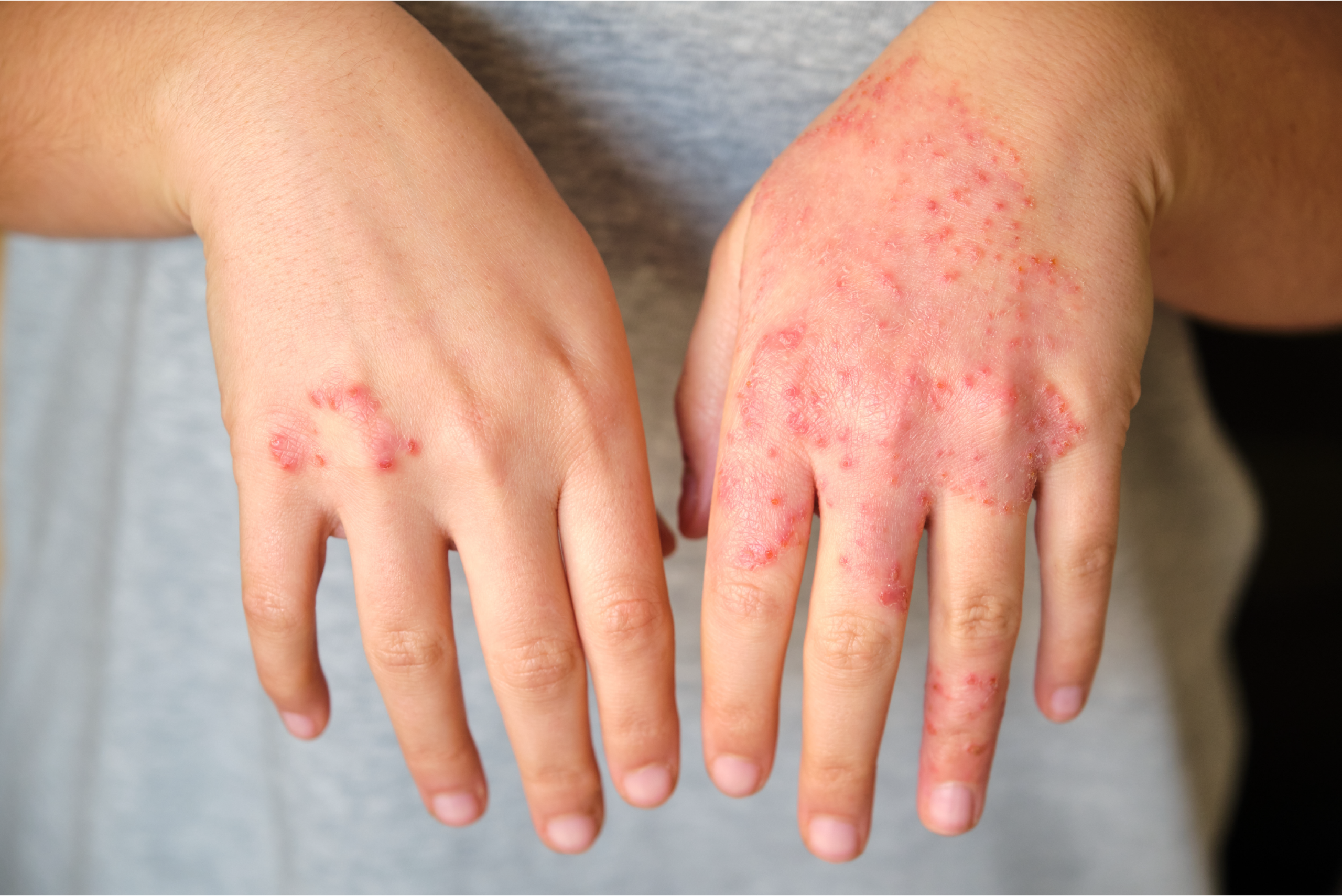
Hives (urticaria) and general skin rashes differ in how they appear. Hives are raised, itchy welts that can move across the body, while a skin rash is typically flatter and more localised, often near the injection site. Clinically, most reactions are mild and temporary, with injection site irritation being the most common and severe allergic responses remaining uncommon.
Achieve Sustainable Weight Loss
Start Your Free Consultation Now
 Balanced Nutrition Plan
Clinically Proven Treatments
Expert Professional Guidance
Balanced Nutrition Plan
Clinically Proven Treatments
Expert Professional Guidance 
Understanding Allergic Reactions to Mounjaro
Not all skin reactions mean an allergy. A side effect, such as a Mounjaro skin rash or mild irritation at the injection site, is a common and usually temporary response as the body adjusts. In contrast, an allergic reaction to Mounjaro involves the immune system reacting more strongly, which may lead to symptoms like hives, swelling, or widespread itching.
This immune response happens when the body releases chemicals like histamine, causing visible skin changes and discomfort. Most reactions are mild and settle with time, but more serious symptoms such as facial swelling, breathing difficulty, or a rapidly spreading rash require urgent medical attention. Understanding this difference helps ensure safe and confident use of treatment.
Types of Skin Reactions Linked to Mounjaro
Understanding the different types of skin reactions helps you recognise what is normal and when to take action. Most reactions linked to Mounjaro are mild and temporary, but they can vary in appearance and severity.
Injection Site Reactions
These are the most common and include redness, swelling, or a Mounjaro injection site itchy sensation. They usually occur shortly after the injection and are caused by minor irritation to the skin or sensitivity to the medication. In most cases, these reactions are mild and settle within a few days without treatment.
Mild Skin Rashes
A Mounjaro skin rash may appear as flat or slightly raised patches with mild itching or irritation. These rashes are often localised and can develop as the body adjusts to the medication. They are typically not serious and tend to improve over time with minimal intervention.
Hives (Urticaria)
Hives are raised, itchy welts that can appear suddenly and may move across different parts of the body. This type of reaction is often linked to Mounjaro and itchy skin and may indicate a stronger sensitivity response. While usually manageable, persistent or worsening hives should be reviewed by a clinician.
Rare but Serious Skin Conditions
In rare cases, a more severe reaction can occur, such as widespread inflammation or a rapidly spreading rash. This may indicate an allergic reaction to Mounjaro, especially if accompanied by swelling of the face, lips, or difficulty breathing. These symptoms require urgent medical attention and should not be ignored.
What Does a Mounjaro Skin Reaction Look Like?
Skin reactions linked to Mounjaro can vary in appearance and intensity, so recognising the differences is important. Most cases involve mild irritation, but understanding how symptoms progress helps you identify when a reaction needs closer attention.
- Mild reactions:
Light redness, slight itching, or small patches around the injection area. A Mounjaro skin rash at this stage is usually localised and temporary, often settling within a few days without treatment. - Moderate reactions:
More noticeable redness, raised patches, or spreading irritation with persistent itching or mild swelling. The skin may feel warm or sensitive, and symptoms can last longer but are still generally manageable. - Severe reactions (red flags):
Widespread rash, intense itching, significant swelling, or blistering of the skin. These symptoms may indicate a stronger sensitivity or possible allergic response and should be assessed urgently.
Key symptoms to watch for:
- Ongoing itchiness that does not improve
- Increasing swelling or spreading redness
- Blistering or skin breakdown, which is a warning sign
Most skin reactions are mild and improve over time, but recognising these signs early helps ensure safe and appropriate action.
What to Do If You Develop Hives or a Rash on Mounjaro
If you notice a Mounjaro skin rash or hives, taking a structured approach can help you manage symptoms safely without unnecessary concern. Most reactions are mild, but knowing what to do next is important.
- Step 1: Assess symptoms
Check whether the reaction is localised (e.g., redness or itching at the injection site) or widespread. Look for key signs such as swelling, persistent itching, or any unusual skin changes. - Step 2: Continue or pause medication?
Mild reactions, such as a Mounjaro injection site itchy feeling, can often be monitored while continuing treatment. However, if symptoms worsen or suggest an allergic reaction to mounjaro, seek medical advice before taking the next dose. - Step 3: Monitor progression
Track whether the rash improves, spreads, or changes over time. If symptoms persist beyond a few days or become more severe, a clinician review is recommended to ensure safe continuation.
Treatment Options for Mounjaro Skin Reactions
Most mild skin reactions can be managed with simple, effective treatments that reduce discomfort and support recovery.
- Antihistamines: Help relieve itching and reduce hives by calming the immune response
- Topical creams: Soothing creams or mild steroid creams may reduce redness and irritation
- Cold compress: Applying a cool cloth to the affected area can ease swelling and discomfort
If symptoms do not improve or become more intense, prescription treatment may be needed. A clinician can assess whether additional medication or adjustments to your treatment plan are required.
Can You Prevent Skin Reactions from Mounjaro?
While not all reactions can be avoided, simple preventive steps can reduce the likelihood of irritation or Mounjaro side effect skin sensitivity.
- Rotate injection sites: Avoid injecting in the same area repeatedly to reduce irritation
- Use proper injection technique: Correct depth and angle help minimise skin trauma
- Avoid irritants: Keep the area clean and avoid harsh products before or after injection
- Track reactions: Noting when and where reactions occur can help identify patterns and triggers
Taking these steps supports safer, more comfortable treatment and helps you manage your response to Mounjaro more effectively.
When to Speak to a Doctor
You should consult a clinician if:
- A rash persists beyond a few days
- Symptoms worsen or spread
- You are unsure whether it is a reaction or allergy
Early guidance helps ensure treatment remains safe and effective.
Conclusion: Stay Safe on Mounjaro
Most skin reactions linked to Mounjaro are mild, temporary, and manageable with the right approach. Symptoms such as redness, itching, or a Mounjaro skin rash often improve as your body adjusts, especially when proper injection technique and monitoring are followed. Understanding what is normal helps reduce unnecessary concern and supports a more confident treatment experience.
At the same time, awareness remains essential. Recognising warning signs such as worsening rash, swelling, or breathing difficulty ensures you act early if needed. If you are unsure about your symptoms or need personalised guidance, the clinical team at Mayfair Weight Loss Clinic can support you with safe, tailored advice to help you continue treatment with confidence.
FAQs About Mounjaro and Skin Rash
Should I stop taking Mounjaro if I get a rash?
Not always. Mild reactions, such as a localized rash, usually do not require stopping treatment. If symptoms worsen or suggest an allergic reaction, consult a clinician to determine if it’s safe to continue or adjust the dose.
How common are skin reactions with Mounjaro?
Skin reactions are relatively uncommon. Injection site irritation is the most frequent issue, while widespread rashes or hives are rare. Most reactions are temporary and manageable, allowing treatment to continue safely.
When is a skin reaction serious?
Seek urgent medical care if you notice:
- Swelling of the face, lips, or throat
- Difficulty breathing
- A rapidly spreading rash
- Severe itching with other symptoms
These signs may indicate a serious allergic reaction requiring immediate attention.
What are other common side effects of Mounjaro?
Beyond skin reactions, patients may experience:
- Nausea
- Reduced appetite
- Digestive discomfort
These side effects are more common than rashes and usually improve over time.
What do hives from Mounjaro look like?
Hives typically present as raised, itchy welts on the skin that can shift location, often appearing suddenly after exposure. These skin reactions—sometimes seen with Mounjaro—may also include redness, itchiness, or minor swelling but are usually mild.
How long does a Mounjaro rash last?
Most mild rashes or injection‑site reactions settle on their own within a few days as your body adjusts to the medication. Redness, itching, or warmth at the injection area generally improve without intervention and don’t usually signal a serious problem.
Can Mounjaro cause allergic reactions?
Yes, although serious allergic reactions to Mounjaro are rare, the medication can trigger reactions in some users. These may include hives, itching, or swelling, but severe responses like breathing difficulty occur infrequently.
When should I worry about a skin reaction?
Seek medical help promptly if you notice symptoms such as swelling of the face or throat, trouble breathing, or a rapidly spreading, severe rash. These signs could indicate a more serious allergic response requiring urgent attention.
Mounjaro
- ✔ ~22.5% average body weight loss
- ✔ Significant weight reduction
- ✔ Improves blood sugar levels
- ✔ Clinically proven weight loss
Wegovy
- ✔ ~16.9% average body weight loss
- ✔ Boosts metabolic & cardiovascular health
- ✔ Proven, long-established safety profile
- ✔ Weekly injection, easy to use