Can Mounjaro Cause Anaemia? UK Evidence, Risks, and What to Watch For
Mounjaro is not directly linked to anaemia, but changes in diet and weight loss can influence iron levels, making monitoring and nutrition essential.
Last updated Apr 03, 2026
 8 min read

The scale moves, appetite shifts, and suddenly your body feels different but not every change is easy to explain. As more patients in the UK begin treatment, questions around Mounjaro and iron deficiency are becoming more common, especially when symptoms like fatigue, weakness, or dizziness start to appear. These signals can blur the line between expected treatment effects and underlying nutritional changes.
In reality, these symptoms are often linked to how the body adapts during weight loss rather than the medication itself. Understanding what is normal and what needs attention is essential for staying on track safely. With the right clinical guidance, these concerns can be managed effectively but the real reason behind these changes may not be what most people expect.
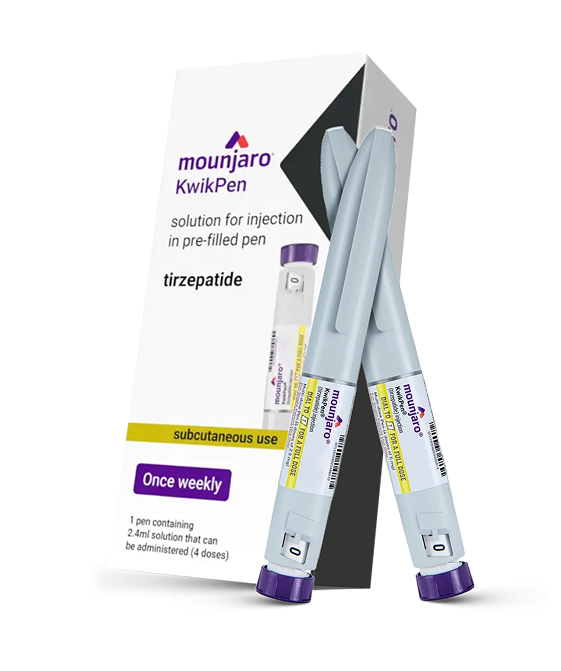
Mounjaro
- ✔ ~22.5% average body weight loss
- ✔ Significant weight reduction
- ✔ Improves blood sugar levels
- ✔ Clinically proven weight loss
Essential Takeaways for Patients
- Mounjaro does not directly cause anaemia; risks are mostly indirect
- Reduced appetite can lower iron intake over time
- Symptoms like fatigue may overlap with treatment effects
- Certain groups (e.g. women, restrictive diets) need closer monitoring
- Iron levels can be maintained with proper nutrition and clinician guidance
- Blood tests help identify and manage deficiencies early
Does Mounjaro Affect Iron Levels or Cause Anaemia?
Mounjaro is not directly linked to anaemia or low iron levels based on current clinical evidence. However, it is important to distinguish between anaemia (low haemoglobin) and iron deficiency (reduced iron stores), as they are not the same condition.
In most Mounjaro anaemia concerns, the cause is indirect. Reduced appetite, lower calorie intake, and gastrointestinal effects such as nausea may decrease nutrient intake over time, which can affect iron levels in some patients. This means low iron Mounjaro cases are typically related to dietary changes rather than the medication itself.
Why Iron Levels Might Drop During Weight Loss Treatment
Changes in iron levels during treatment are usually linked to how the body adapts to reduced intake and weight loss, rather than a direct effect of medication. When appetite decreases, overall food consumption often drops, which can lead to lower intake of iron-rich foods over time. This becomes more relevant if meals are not balanced or nutrient-dense.
Dietary restriction, especially in low-calorie or poorly structured diets, may further limit essential nutrients. Rapid weight loss can also place additional demand on the body, creating a temporary imbalance in nutrient availability. In some cases, pre-existing factors such as menstruation or already low iron stores can increase the likelihood of deficiency, making personalised monitoring important.
Find Out If Mounjaro is Clinically Suitable
-
 Clinician-led medical assessment
 -
Personalised dosing and nutrition support
-
Ongoing clinical monitoring throughout treatment

Gastrointestinal Effects and Iron Absorption
Gastrointestinal symptoms such as nausea, vomiting, or diarrhoea are relatively common during the early stages of treatment. These effects can reduce appetite and food tolerance, which may indirectly impact nutrient intake, including iron. When symptoms persist, they can make it more difficult to maintain a balanced diet.
Mounjaro also slows gastric emptying, which supports appetite control but may slightly alter digestion. While this is not typically a direct cause of reduced iron absorption, it can influence how the body processes nutrients in some individuals. Importantly, these effects are usually temporary and improve over time, especially with proper guidance and dose adjustment.
Symptoms of Anaemia or Iron Deficiency
Symptoms of iron deficiency or anaemia can overlap with common Mounjaro side effects fatigue, which makes recognition more challenging.
Watch for:
- Persistent fatigue or weakness
- Shortness of breath
- Pale skin
- Dizziness or light-headedness
- Heart palpitations
While mild tiredness is common during weight loss, ongoing or worsening symptoms should be reviewed to rule out nutritional causes.
Who Is Most at Risk of Low Iron While Using Mounjaro?
Not every patient will experience changes in iron levels during treatment, but certain groups may be more vulnerable due to underlying factors or dietary patterns. Recognising these risk profiles helps ensure early monitoring and better outcomes.
- Women of reproductive age: Ongoing iron loss through menstruation can increase the risk of low iron, especially during weight loss.
- People with restrictive diets: Vegan or low-calorie diets may limit iron intake, particularly heme iron, which is more easily absorbed.
- Patients with prior anaemia: A history of low iron or anaemia increases the likelihood of recurrence if intake is not maintained.
- Those with persistent GI symptoms: Ongoing nausea, vomiting, or reduced appetite can affect both intake and overall nutritional balance.
Identifying these factors early allows for a more personalised approach to treatment and prevention.
How to Maintain Healthy Iron Levels on Mounjaro
Maintaining healthy iron levels on Mounjaro depends on prioritising nutrient-dense foods, as reduced appetite can lower overall iron intake. Most patients can manage this through diet, monitoring, and clinician guidance without needing immediate supplementation.
A practical approach includes:
- Eating iron-rich foods such as lean meats, lentils, leafy greens, and fortified cereals
- Pairing iron with vitamin C (e.g. citrus fruits, peppers) to improve absorption
- Avoiding tea or coffee around meals, as they can reduce iron uptake
- Choosing smaller, structured meals to maintain consistent nutrient intake
In some cases, supplements may be recommended after clinical review. Monitoring symptoms like fatigue, pale skin, or low energy, along with regular follow-ups, helps ensure iron levels remain stable during treatment.
Monitoring and Testing: Should You Check Iron Levels?
Routine testing is not necessary for every patient, but it becomes important when symptoms appear or risk factors are present. If you experience ongoing fatigue, dizziness, or have a history of low iron, a clinician may recommend checking your levels to guide treatment safely.
Common tests may include:
- Haemoglobin (Hb): to assess for anaemia
- Ferritin: to measure iron stores
- Serum iron levels: to understand overall iron status
Regular follow-ups help ensure any changes are identified early, allowing timely adjustments without interrupting your treatment progress.
When to Speak to a Doctor
While mild symptoms can occur during weight loss treatment, certain signs should not be ignored. If fatigue continues despite eating well, or if you experience severe dizziness, breathlessness, or ongoing digestive issues that affect your nutrition, it is important to seek medical advice.
Patients in higher-risk groups such as those with previous anaemia, restrictive diets, or persistent side effects should be especially cautious. Early review allows for timely adjustments, helping to prevent complications while keeping your treatment plan on track safely and effectively.
Final Thoughts on Mounjaro and Iron Levels
Mounjaro is not directly linked to anaemia, but changes in appetite and dietary intake during treatment can influence iron levels in some patients. This makes it important to focus on the bigger picture of how your body responds to weight loss, nutrition, and overall lifestyle changes rather than assuming a direct medication effect.
With the right approach, these risks are manageable. Prioritising balanced nutrition, staying consistent with follow-ups, and monitoring symptoms early can help maintain healthy iron levels throughout your journey. For safe, personalised guidance, speak to the team at Mayfair Weight Loss Clinic, where every treatment plan is carefully tailored to your individual needs and monitored by experienced clinicians.
FAQs About Mounjaro and Iron Deficiency
Is fatigue from Mounjaro always due to low iron?
No. Fatigue is a recognised effect during treatment, often linked to reduced calorie intake and metabolic changes. However, if it persists or worsens, a clinician may assess iron levels and other factors to rule out nutritional deficiencies.
Should I take iron supplements on Mounjaro?
Not routinely. Supplements should only be used when a deficiency is confirmed through testing and advised by a clinician. This ensures safe use and avoids unnecessary intake or imbalance.
Does Mounjaro affect iron levels directly?
There is limited evidence to suggest a direct effect on iron levels. Most changes are linked to reduced appetite, dietary intake, or gastrointestinal symptoms rather than the medication itself.
Can weight loss injections cause anaemia?
Not directly. Anaemia may develop if nutritional intake becomes insufficient over time, particularly during rapid weight loss, but it is generally preventable with proper dietary support and monitoring.
How can I prevent low iron on Mounjaro?
Maintaining a balanced diet with adequate iron-rich foods, alongside regular follow-ups, can help prevent deficiency. Clinician guidance ensures nutritional needs are met throughout treatment.
Who should monitor iron levels more closely?
Patients with a history of anaemia, restrictive diets, or ongoing symptoms such as fatigue or dizziness may benefit from closer monitoring to maintain safe iron levels.
How quickly can iron levels drop during treatment?
Changes in iron levels usually develop gradually rather than suddenly. With regular monitoring and early adjustments, any decline can be identified and managed before it becomes clinically significant.
Can Mounjaro reduce appetite enough to affect nutrient intake?
Yes. Mounjaro works by suppressing appetite, which can lead to reduced overall food intake. If meals are not balanced, this may lower intake of key nutrients like iron, making dietary planning and clinician guidance important during treatment.
Mounjaro
Wegovy