How to Flush Mounjaro Out of Your System: Facts and Recovery
Mounjaro cannot be flushed out faster through detox methods, as the body naturally eliminates most of the medication within approximately 25–30 days after the final injection.
Last updated Oct 19, 2026

 10 min read

Weight-loss treatments can bring significant changes, but what happens when medication is no longer part of your routine? Mounjaro (tirzepatide) remains in the body after the final injection. Understanding how to flush Mounjaro out of your system means recognising that elimination occurs naturally, with most medication clearing within 25–30 days.
As tirzepatide levels decline, appetite, digestion and blood sugar regulation may change. The timing and severity depend on your previous dosage, treatment duration and overall health. Whether stopping due to side effects, pregnancy planning or medical advice, understanding this transition helps you anticipate changes and recognise when professional guidance is necessary.
Mounjaro
- ✔ ~22.5% average body weight loss
- ✔ Significant weight reduction
- ✔ Improves blood sugar levels
- ✔ Clinically proven weight loss
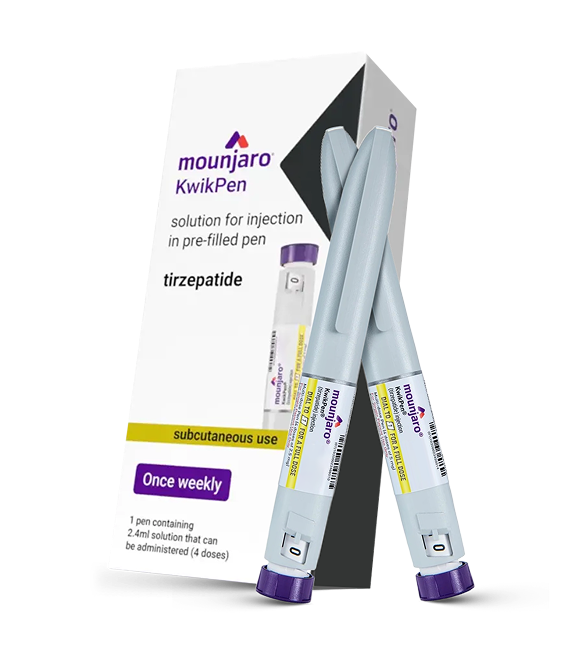
Key Takeaways About Mounjaro Clearance
- Mounjaro cannot be flushed out faster through detox methods or excessive hydration.
- Tirzepatide has a five-day half-life, with most medication clearing within 25–30 days.
- Appetite, digestion and blood sugar levels may change as Mounjaro leaves the body.
- Weight regain may occur after stopping treatment, although individual outcomes vary.
- Balanced nutrition, hydration and regular exercise support recovery and weight management.
- Medical guidance is essential for persistent side effects, diabetes management and pregnancy planning.
Can You Flush Mounjaro Out of Your System?
There is no proven way to speed up the removal of Mounjaro (tirzepatide) from your body. Because tirzepatide binds extensively to proteins in the bloodstream, dialysis is unlikely to remove it effectively. Detox products, excessive water intake, fasting and strenuous exercise cannot reliably shorten its natural clearance time. These approaches may instead increase the risk of dehydration, electrolyte disturbances or digestive problems.
Safe management depends on your reason for stopping treatment. Ongoing side effects should be assessed by a healthcare professional, while patients with type 2 diabetes may require additional blood glucose checks or adjustments to their diabetes medication. Any treatment changes should be made under clinical supervision.
How Long Does Mounjaro Remain in Your Body?
After your final injection, Mounjaro (tirzepatide) takes approximately 25–30 days to mostly clear your system. Its half-life is around five days, with blood concentrations halving during each period. Levels typically peak within 8–72 hours after injection and reach a steady state after four weeks of weekly dosing.
Estimated Mounjaro Elimination Timeline
| Days Since Last Dose | Estimated Medication Remaining |
| Day 5 | 50% |
| Day 10 | 25% |
| Day 15 | 12.5% |
| Day 20 | 6.25% |
| Day 25 | 3.1% |
| Day 30 | 1.6% |
These percentages represent theoretical drug clearance based on a five-day half-life. Actual elimination rates vary between individuals.
After approximately 25 days, only 3.1% of tirzepatide theoretically remains in the body. The medicine undergoes metabolic breakdown, with its by-products subsequently eliminated through urine and faeces.
The estimated clearance timeline shows how tirzepatide concentrations decline, but it cannot predict exactly when an individual will notice changes in the medication’s effects.
Mounjaro
-
 Clinician-led medical assessment
-
Personalised dosing and nutrition support
-
Ongoing clinical monitoring throughout treatment

How Does Your Body Adjust After Stopping Mounjaro?
As Mounjaro (tirzepatide) levels fall, its effects on hunger, gastric emptying and glucose control gradually weaken. Rather than causing a recognised physical withdrawal syndrome, stopping treatment allows the body’s usual processes to re-emerge. The changes you experience depend on your previous dosage, length of treatment and individual metabolic response.
Changes in Digestion
Tirzepatide delays stomach emptying, contributing to longer-lasting fullness after eating. Once its effects diminish, food may move through the digestive system more quickly, and hunger may return sooner. Previous symptoms such as nausea, constipation and acid reflux may improve, although temporary bloating or altered bowel movements can occur.
Returning Appetite and Weight Changes
As appetite regulation returns towards its previous state, you may experience stronger cravings, increased hunger and changes in portion sizes. In the SURMOUNT-4 clinical trial, participants who switched from tirzepatide to placebo regained an average of 14% of their body weight over 52 weeks. Regular exercise, protein-rich meals and consistent eating habits can support weight maintenance.
Changes in Blood Glucose and HbA1c
Without tirzepatide’s ongoing effects, blood glucose levels may begin rising, particularly in people with type 2 diabetes. These changes can become noticeable within weeks, while HbA1c may reflect worsening glucose control over the following two to three months. Regular blood sugar checks and clinician-guided treatment adjustments can help manage this transition.
How Can You Support Your Body While Mounjaro Clears?
After stopping Mounjaro, adopting supportive daily habits can help ease lingering digestive symptoms, manage returning hunger and maintain nutritional balance. Although these measures cannot accelerate tirzepatide elimination, they can support your wellbeing and help you adjust to life without the medication.
Stay Adequately Hydrated
Aim for approximately 1.5–2 litres of fluid daily, unless your healthcare professional advises otherwise. Drinking regularly helps prevent dehydration, particularly if nausea, vomiting or diarrhoea persists. Oral rehydration solutions may replace lost electrolytes when necessary, but increasing your water intake beyond your needs will not remove Mounjaro faster.
Eat Nutritious, Easily Digestible Foods
Choose smaller meals if digestive discomfort continues, and avoid rich or heavily processed foods that aggravate symptoms. Include lean protein, wholegrains, vegetables and healthy fats to provide essential nutrients, maintain muscle mass and support digestive function as your usual appetite gradually returns.
Establish Consistent Eating Habits
Prioritise regular mealtimes to manage returning hunger and reduce unplanned snacking. Pay attention to fullness signals, adjust portions according to your nutritional needs and avoid overly restrictive eating habits. Maintaining a consistent routine can help manage appetite changes and support weight stability after stopping Mounjaro.
Keep Physically Active
Gentle walking, moderate aerobic activity and resistance exercises can help preserve muscle, support metabolic health and manage weight. Increase activity gradually according to your fitness and energy levels. Avoid demanding workouts if you experience dehydration, dizziness or ongoing gastrointestinal discomfort.
Track Glucose and Weight Changes
If you have type 2 diabetes, check your blood glucose as advised by your healthcare professional and discuss any significant changes with your prescriber. Monitoring weight trends and returning appetite can also help identify when dietary changes or additional clinical support may be necessary.
Avoid Detox Products and Cleanses
Detox teas, laxatives and unregulated supplements cannot reliably shorten Mounjaro’s elimination time. Some may worsen digestive symptoms or cause dehydration and electrolyte imbalances. Avoid products promising rapid medication removal, and consult a pharmacist or healthcare professional before trying unfamiliar remedies.
When to Seek Medical Advice After Stopping Mounjaro
As tirzepatide gradually leaves your body, changes in appetite, digestion and blood glucose may require professional assessment. Speak with your GP, pharmacist or prescriber if you experience any of the following:
- Ongoing digestive symptoms: Persistent nausea, diarrhoea or vomiting, especially if you cannot retain fluids or show signs of dehydration.
- Severe stomach pain: Strong, continuous abdominal pain, particularly when radiating towards your back, may indicate pancreatitis and requires urgent medical attention.
- Unstable blood glucose: Unexpectedly high or low readings, especially if you have type 2 diabetes or use other diabetes medications.
- Persistent adverse effects: Symptoms that continue, become more severe or disrupt everyday activities after treatment has ended.
- Pregnancy considerations: Mounjaro should be discontinued at least one month before a planned pregnancy. Contact your healthcare professional immediately if pregnancy occurs during treatment.
- Changes to medication: Seek guidance before restarting tirzepatide, moving to another treatment or addressing significant weight regain.
Do not alter your medication or dosing routine in an attempt to accelerate clearance. For urgent symptoms, contact NHS 111; seek immediate medical assessment for suspected pancreatitis or call 999 for a life-threatening emergency.
If you need support with stopping Mounjaro or reviewing your weight-management options, a free online consultation with a qualified UK prescriber can help assess your circumstances and identify appropriate next steps.
Conclusion: Supporting Your Body After Mounjaro
Stopping Mounjaro marks a transition in your weight-management journey, as tirzepatide gradually leaves your body over several weeks. Understanding how to flush Mounjaro out of your system means recognising that natural clearance cannot be accelerated through detox methods. Changes in hunger, digestive function and blood glucose may occur as the medication’s effects decline.
Maintaining healthy eating habits, staying active and monitoring relevant symptoms can help you navigate this adjustment. Professional guidance is particularly important when managing side effects or changes in blood sugar. Mayfair Weight Loss Clinic offers personalised weight-management support to help patients understand their treatment options and plan their next steps safely.
FAQs About Mounjaro Clearance and Recovery
Can you stop taking Mounjaro suddenly?
Mounjaro does not usually require gradual dose reduction before stopping. However, speak with your prescriber before discontinuing treatment, particularly if you have type 2 diabetes. Changes in blood glucose control may require closer monitoring or adjustments to your other prescribed medicines.
Can you restart Mounjaro after several weeks off?
Yes, restarting may be possible following a clinical review. Your prescriber will consider the length of your break, previous dose and reasons for stopping. You may need to restart at a lower strength to reduce gastrointestinal side effects.
Can you switch from Mounjaro to Wegovy?
Switching may be appropriate for some patients, but the medicines have different dosing schedules and escalation requirements. Your prescriber should assess when to begin the alternative treatment, considering residual tirzepatide, side effects and individual health needs. Do not switch independently.
What happens if you miss your final Mounjaro injection?
If your injection is four days or less overdue, UK guidance allows you to take it when remembered. After four days, skip the missed dose. However, if you intend to stop treatment entirely, ask your prescriber whether another injection is necessary.
Can you drink alcohol after stopping Mounjaro?
Alcohol is not specifically prohibited after stopping Mounjaro, but it may aggravate lingering nausea, dehydration or digestive discomfort. Drinking can also affect blood glucose control, particularly if you have diabetes. Limit alcohol intake and follow individual medical advice.
Does Mounjaro affect contraception after stopping?
Tirzepatide may affect oral contraceptive absorption during treatment. UK guidance recommends additional barrier contraception for four weeks after starting Mounjaro and after each dose increase, or switching to a non-oral method. Discuss contraception when discontinuing treatment, especially if planning pregnancy.
Can you breastfeed after stopping Mounjaro?
The current UK product information reports very low tirzepatide concentrations in breast milk, but evidence remains limited. If you are breastfeeding or planning to breastfeed, discuss the timing of stopping treatment and any potential risks with your healthcare professional.
Does stopping Mounjaro affect other medications?
It may affect the management of other conditions, particularly type 2 diabetes, as glucose levels change. Your clinician may need to review insulin, sulphonylureas or other medicines. Do not adjust prescribed medication without professional guidance.
Mounjaro
- ✔ ~22.5% average body weight loss
- ✔ Significant weight reduction
- ✔ Improves blood sugar levels
- ✔ Clinically proven weight loss
Wegovy
- ✔ ~16.9% average body weight loss
- ✔ Boosts metabolic & cardiovascular health
- ✔ Proven, long-established safety profile
- ✔ Weekly injection, easy to use